

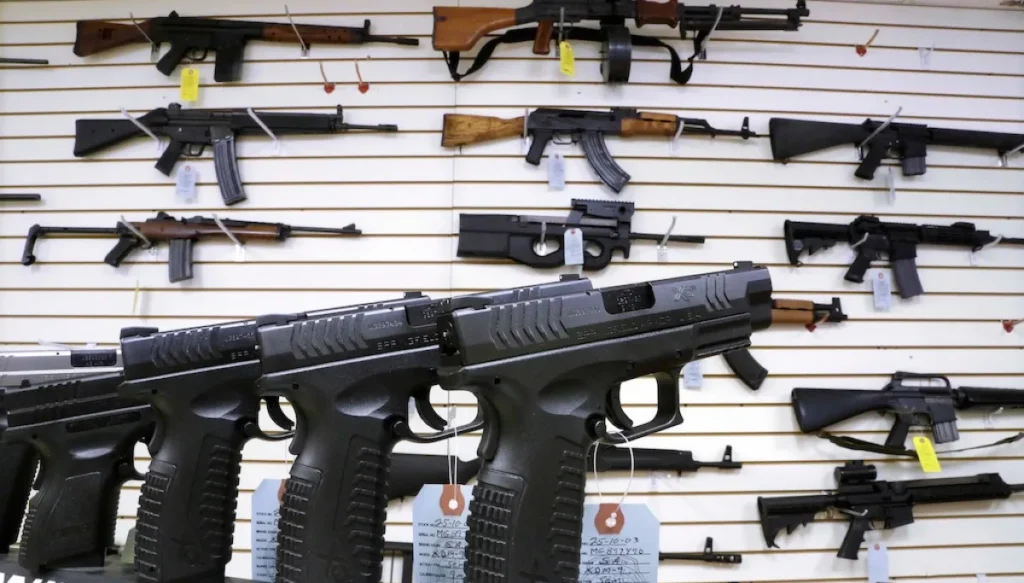
The Supreme Court’s continued silence on a slate of Second Amendment petitions is more than docket management—it’s a strategic pause that keeps lower-court confusion alive while the political calendar ticks. By holding cases on “assault-weapon” restrictions, magazine-capacity limits, and the right of 18-to-20-year-olds to purchase firearms, the justices are effectively letting the circuits harden their positions before the High Court steps in. That delay hands anti-gun jurisdictions another year or two to enforce rules that many scholars argue are already unconstitutional under Bruen’s text-and-tradition test, yet it also gives the 2A community time to flood the Court with friend-of-the-court briefs that frame these issues as national, not regional, questions.
For gun owners, the stakes are immediate and practical. Every month the Court waits, states such as California, Illinois, and New Jersey continue to treat commonly owned semiautomatic rifles and standard-capacity magazines as presumptively illegal, forcing law-abiding citizens into expensive, time-consuming compliance or outright disarmament. Meanwhile, 18-to-20-year-olds in restrictive states remain in a legal twilight zone—old enough to vote, marry, and serve in the military, yet barred from exercising a fundamental right the Founders never age-qualified. The longer these contradictions persist, the stronger the eventual Supreme Court argument becomes that piecemeal, age-based, or feature-based bans fail the nation’s historical tradition of protecting the people’s arms.
The real implication is timing: a Court that grants cert now would decide these cases before the 2024 election cycle peaks, while further delay risks a new composition or a shift in public sentiment that could blunt a pro-2A ruling. Either way, the community should treat the pause not as inaction but as an invitation to sharpen every factual and historical claim so that when the writs are finally granted, the record is airtight and the constitutional case unmistakable.


