

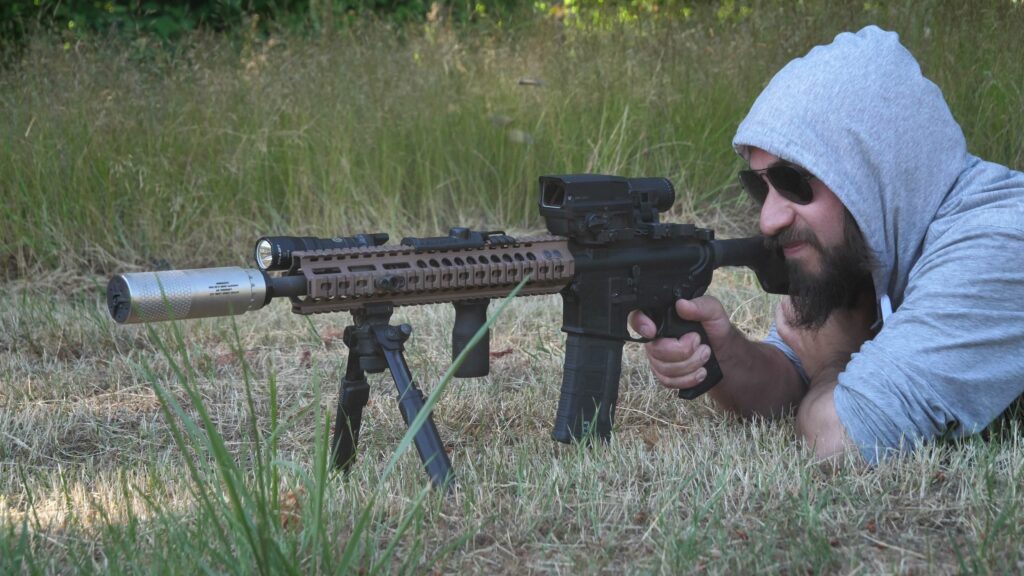
Suppressors have become the unsung heroes of modern high-volume training, letting shooters run drills, competitions, and extended range sessions without the ear-splitting blast that once limited how much ammo anyone could comfortably burn. Yet the very efficiency that makes a suppressor valuable also concentrates enormous heat in a compact package, turning a once-manageable accessory into a glowing liability after just a few hundred rounds. The Truth About Guns piece rightly flags this shift: where yesterday’s shooters might have fired a box or two, today’s competitors and instructors are pushing cans through mag dumps and timed stages that would have melted older designs.
The practical takeaway is that heat management is no longer an afterthought; it’s a core part of suppressor selection and use. Shooters now weigh not only decibel reduction and weight but also thermal mass, material choice, and mounting systems that allow quick swaps or active cooling between stages. For the 2A community this matters because it directly affects how often we can train, how safely we can share gear at public ranges, and even how regulators view “high-volume” accessories—every incremental improvement in heat handling keeps the suppressor category viable and accessible rather than niche or restricted by performance limits.
Ultimately, the conversation around suppressor heat isn’t just technical; it’s about preserving the right to train effectively and defend the tools that make that training possible. As more states normalize suppressor ownership, the community that masters thermal discipline will set the standard for responsible, high-performance use that keeps both the hardware and the Second Amendment healthy.


