

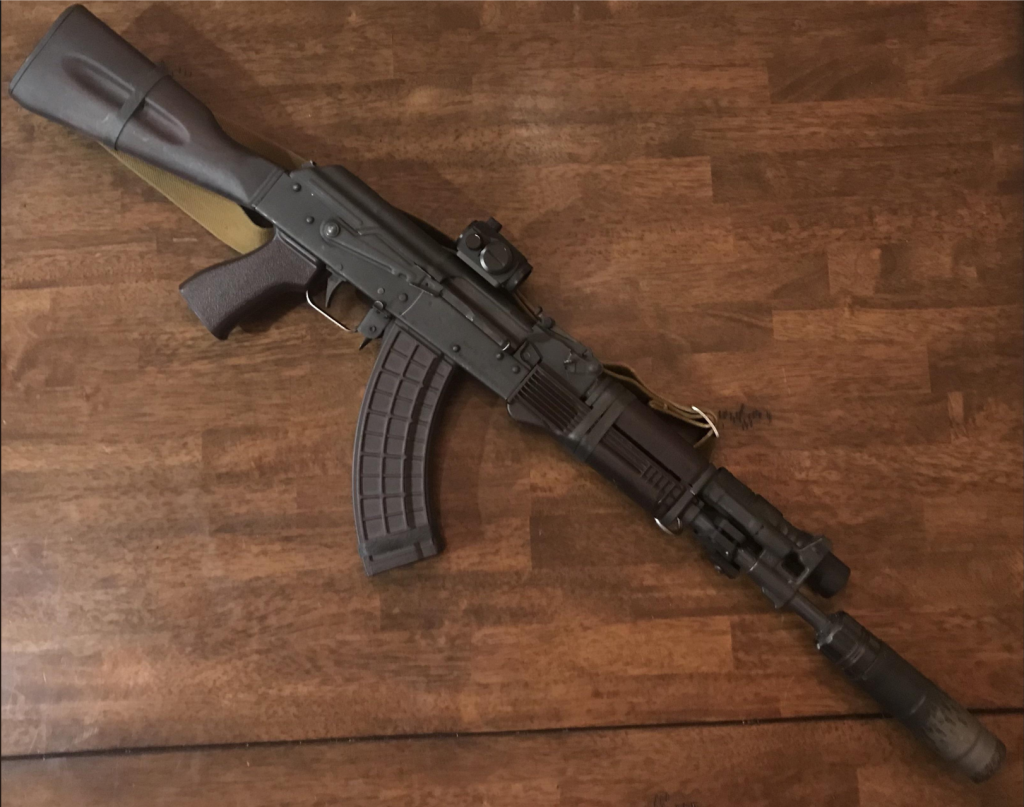
Suppressing an AK has long been the kind of project that separated the casually curious from the truly committed, and the article captures exactly why the platform earned its reputation as a “can’t be tamed” rifle. The old Combloc rifles were built for conscripts who might never clean them, so tolerances were loose, threads were afterthoughts, and the gas system was tuned for reliability over refinement. That same looseness that kept rifles running in mud and snow also made consistent suppressor alignment a gamble; a few thousandths of an inch off and you were either dealing with baffle strikes or an end cap that looked like it had gone through a belt sander. The piece does a good job of showing how aftermarket ingenuity—new thread adapters, adjustable gas blocks, and purpose-built muzzle devices—has finally turned the AK into a legitimate host instead of a cautionary tale.
What’s more interesting than the hardware fixes is what they represent for the broader Second Amendment ecosystem. Ten years ago, the prevailing wisdom was that if you wanted a quiet rifle you bought an AR platform and moved on; the AK was for folks who valued cheap steel-cased ammo and didn’t mind the noise. Today, the same people who once dismissed suppressors as “for the bolt-gun crowd” are now running suppressed 7.62×39 rifles at multigun matches and hog hunts because the aftermarket finally caught up. That shift matters. It proves that when demand is strong enough, the market will engineer around even the most stubborn legacy platforms, and it underscores why magazine bans or feature restrictions are ultimately self-defeating: shooters will simply innovate their way around them.
The larger implication is cultural. Every time a traditionally “un-suppressible” rifle joins the quiet club, it normalizes suppressors as mainstream safety equipment rather than exotic accessories. That normalization pushes regulators toward treating suppressors like mufflers instead of NFA items, and it strengthens the argument that the Second Amendment protects the tools citizens actually use, not just the ones that were convenient in 1791. The AK’s journey from “don’t bother” to “bolt it on and go” is therefore more than a gunsmithing success story; it’s a small but tangible victory in the long fight to make the right to keep and bear arms as practical in the twenty-first century as it was intended to be.


