

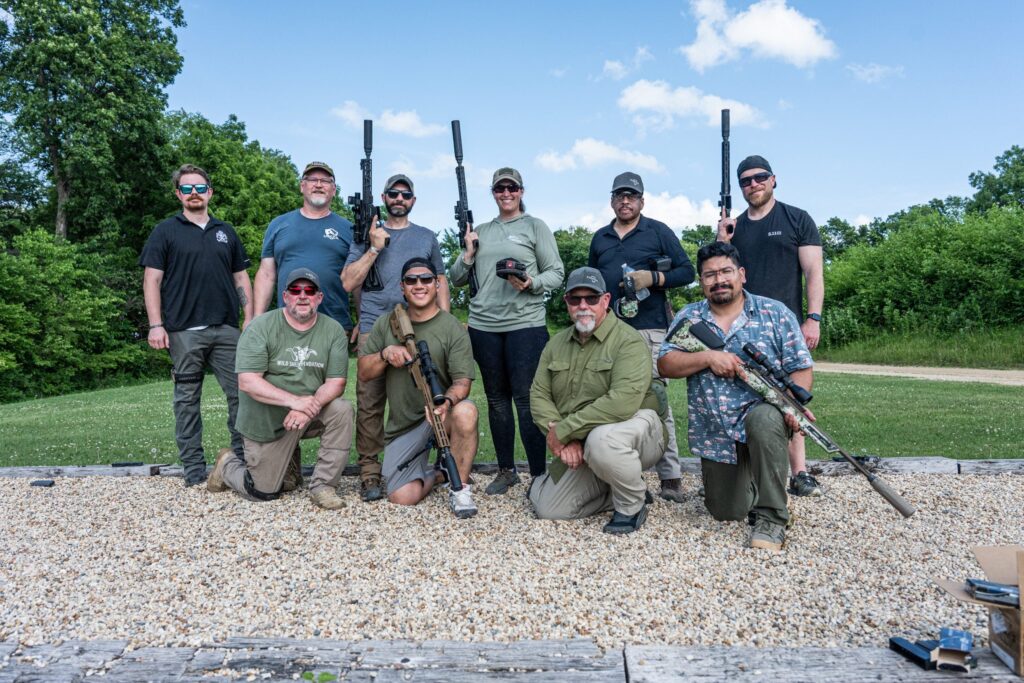
The suppressed firearms training event at The Site wasn’t just another range day—it was a masterclass in how modern sound suppression technology is reshaping the way Americans train, defend, and enjoy their Second Amendment rights. With Springfield Armory, Dead Air, and Fiocchi all in the mix, attendees got hands-on time with everything from compact pistols to short-barreled rifles, each fitted with high-performance suppressors that turned ear-splitting reports into manageable thuds. What stood out wasn’t just the hardware, but the way these tools lowered barriers to entry for new shooters while giving experienced ones a tactical edge—quieter follow-up shots, reduced recoil, and the ability to train longer without fatigue or hearing damage. In a political climate where anti-gunners love to paint suppressors as “silencers for assassins,” events like this quietly dismantle the myth by showing how they actually promote safer, more responsible shooting.
For the 2A community, this kind of collaboration between manufacturers and training facilities signals a maturing industry that’s no longer content to let Hollywood define the narrative around suppressors. Instead, they’re putting real-world data and practical experience front and center—demonstrating that these devices aren’t loopholes or exotic accessories, but practical tools that enhance hearing protection, improve accuracy under stress, and make range time more accessible to families and new shooters. The presence of major players like Springfield Armory and Dead Air also underscores how mainstream suppressor use has become; what was once niche is now a growth sector, with training programs evolving to match. As more states move to legalize or deregulate suppressor ownership, these events serve as both proving grounds and public relations wins, proving that the right to keep and bear arms includes the right to do so responsibly and quietly.


