

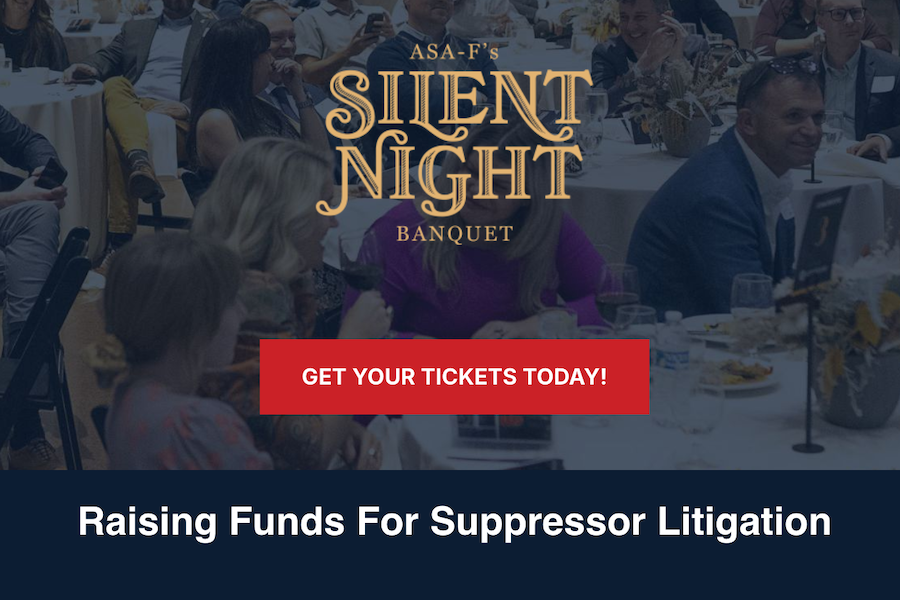
The ASA-F’s Silent Night Banquet in Salt Lake City isn’t just another fundraiser—it’s a strategic gathering that pairs the enjoyment of fine dining and camaraderie with the serious business of defending suppressor rights. By framing the event as both a celebration and a call to action, the American Suppressor Association is reminding the 2A community that legal ownership of these hearing-protection devices still hinges on sustained political engagement rather than assuming the regulatory climate will remain favorable. The optics matter: attendees who enjoy an evening of networking and education leave better equipped to push back against the persistent narrative that suppressors are somehow “silencers” for criminals rather than tools that reduce noise pollution and protect shooters’ hearing.
What makes this approach particularly effective is its recognition that cultural acceptance often precedes legislative wins. When enthusiasts gather in a high-profile venue like Salt Lake City to discuss the Hearing Protection Act and similar reforms, they’re not only raising funds but also normalizing suppressor ownership among lawmakers, media, and the broader public. The banquet format lowers the barrier for participation, turning what could feel like dry policy work into an accessible social experience that builds the grassroots momentum needed to move bills out of committee. In an era when anti-gun interests continue to conflate accessories with threats, events like Silent Night demonstrate that the suppressor community is organized, articulate, and willing to invest both time and resources in long-term advocacy.
For the wider Second Amendment ecosystem, the implications are clear: victories on suppressors can serve as a proving ground for other accessories and technologies currently caught in regulatory gray areas. Success here would validate the strategy of pairing product excellence with relentless policy work, encouraging manufacturers and owners alike to treat every dinner, range day, and social media post as an opportunity to shift the Overton window. The ASA-F’s model shows that protecting the right to own suppressors requires both the engineering brilliance behind modern designs and the political will to ensure those designs remain legal for law-abiding citizens—two fronts that must be advanced together if the community hopes to expand, rather than merely defend, its freedoms.


