

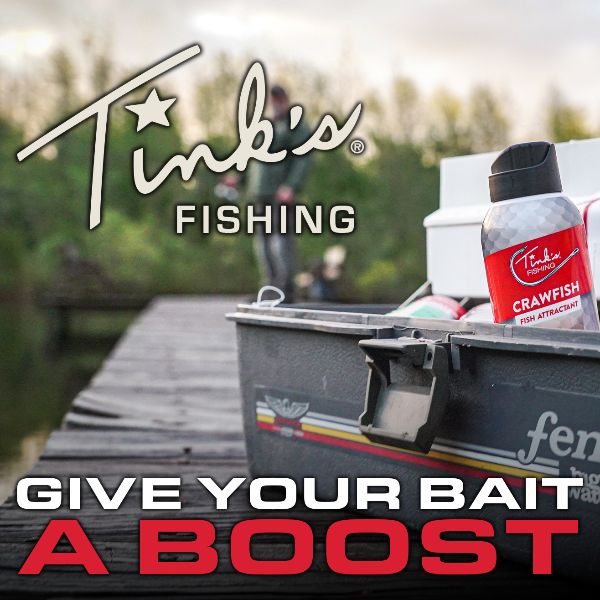
Tink’s move from whitetail woods to the water isn’t just a product launch—it’s a reminder that the same hands that load magazines and sight-in rifles are also the ones tying knots and spraying scent on crankbaits at dawn. After five decades of perfecting deer lures, the company is betting that the muscle memory of scent control and pattern recognition translates directly to bass, walleye, and panfish. For the 2A community, that continuity matters: the same retailers who stock .308 and 12-gauge shells now carry a five-scent lineup that keeps those customers in the store year-round, reinforcing the idea that outdoor self-reliance isn’t seasonal.
More importantly, the spray-on format lowers the barrier for new anglers who already own firearms but may not yet own a tackle box. A quick mist on a soft plastic or a gob of live bait turns an afternoon on the water into another data point in the broader argument that lawful gun owners are also the most active stewards of public lands and waterways. When anti-hunting voices claim sportsmen are fading, products like these quietly prove the opposite—shooter culture is simply expanding its footprint, not shrinking it.
The real implication is economic and cultural. Every bottle sold at tinks.com or on a big-box shelf keeps a pro-2A company healthy enough to keep funding range days, hunter-education programs, and legislative alerts. In an era when coastal states keep floating magazine bans and “ghost gun” rules, the ability to pivot from deer to bass without changing customer bases is a quiet form of resilience. Summer may start on the water, but the same community that casts at sunrise will still be the one showing up at the polls when rights are on the line.


