

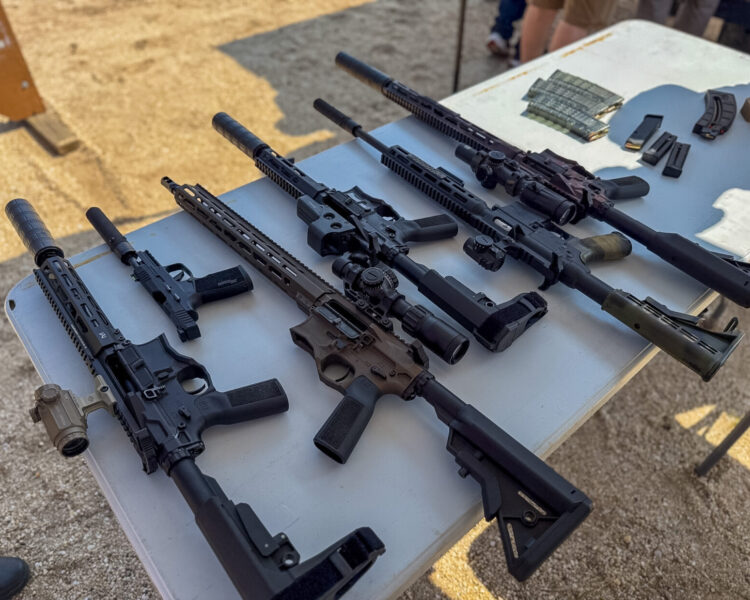
Pew Locker steps in as a much-needed digital command center for the modern gun owner, turning the chaos of scattered spreadsheets, dog-eared notebooks, and fading pamphlets into one clean, searchable vault built specifically around firearms. Instead of juggling serial numbers, purchase dates, optic specs, and maintenance logs across half a dozen apps or paper piles, users now have a purpose-built platform that respects both the practical demands of responsible ownership and the legal realities that come with it. The real value isn’t just convenience; it’s the quiet insurance policy it creates when an unexpected audit, insurance claim, or estate transfer suddenly requires precise documentation that holds up under scrutiny.
For the 2A community, tools like this quietly reinforce the principle that rights exercised responsibly are rights best defended. When owners maintain meticulous, easily retrievable records, they reduce friction with regulators, strengthen their position in any future disputes, and model the kind of proactive stewardship that undercuts the “irresponsible gun owner” narrative pushed by critics. At the same time, centralized data always carries a privacy trade-off, so the platform’s security architecture and data-handling policies will matter as much as its features—especially in an era when digital footprints can be subpoenaed or leaked. Ultimately, Pew Locker represents a small but meaningful evolution: turning the administrative burden of gun ownership into a streamlined asset that protects both the firearms and the freedoms attached to them.


