

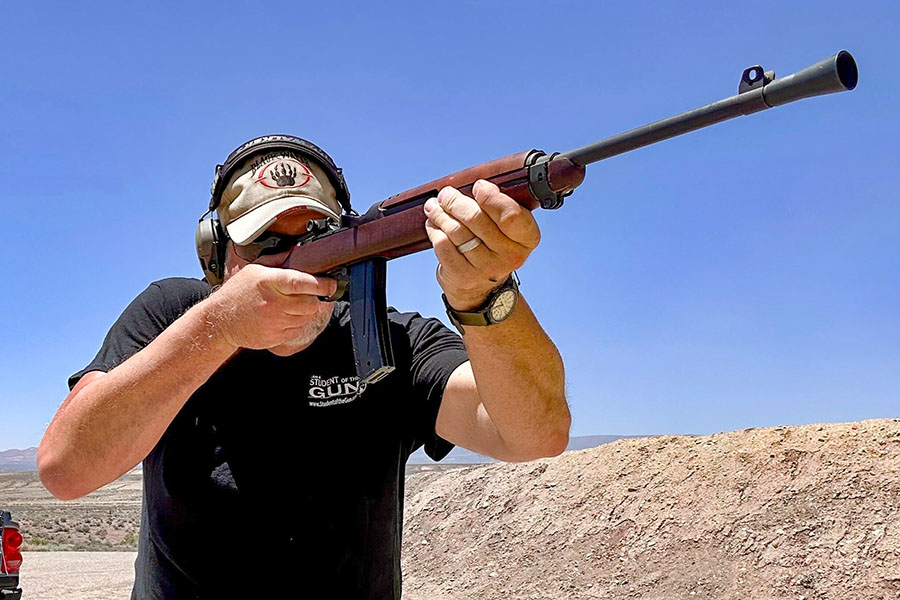
The .30 Carbine cartridge carved its reputation in the jungles of the Pacific and the hedgerows of Europe, where the M1 Carbine’s light recoil and rapid follow-up shots gave GIs a decisive edge against numerically superior foes. Those “ghosts” the headline invokes weren’t abstract statistics; they were the direct result of a round that balanced terminal performance with controllability, proving that intermediate cartridges could deliver real battlefield lethality long before modern “assault weapon” debates reframed the discussion. For today’s 2A community, the cartridge’s legacy underscores a fundamental truth: effectiveness isn’t measured by caliber diameter alone, but by how well a platform matches the shooter’s needs—whether that’s home defense, ranch work, or simply enjoying a piece of living history that still punches above its weight.
What makes the .30 Carbine story especially relevant now is how it quietly dismantles the narrative that only high-capacity, high-velocity rifles deserve constitutional protection. The M1 Carbine was issued by the tens of thousands precisely because it was handy, accurate enough, and lethal at realistic engagement distances; the same attributes that make its civilian-legal descendants attractive to millions of Americans who value a compact, low-recoil option without surrendering effectiveness. In an era when anti-2A voices push to restrict anything that looks “military,” the continued popularity of .30 Carbine rifles and pistols serves as living proof that the right to keep and bear arms isn’t contingent on bureaucratic approval of a cartridge’s origin story—it’s an individual liberty exercised through practical, time-tested tools that still perform when seconds count.


