

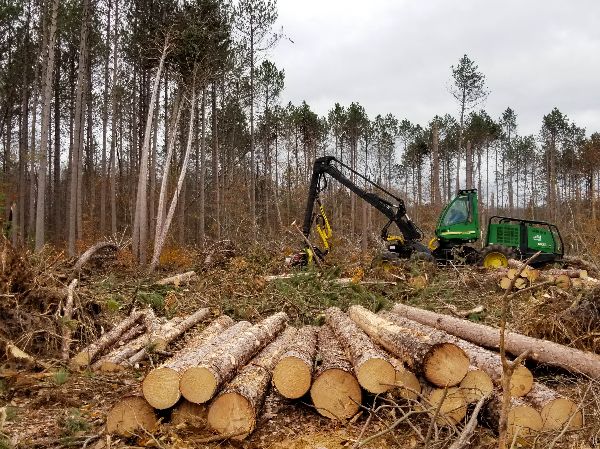
Michigan’s decision to lean into the Good Neighbor Authority isn’t just a forestry success story—it’s a textbook example of how states can reclaim practical control over the land within their borders even when the deed technically belongs to the federal government. By stepping in to salvage red pine after the 2019 windstorm, the Department of Natural Resources turned what could have been a total loss into revenue, jobs, and healthier habitat. That same authority lets state foresters apply active management—thinning, prescribed fire, selective harvest—on federal acres instead of waiting for distant Washington offices to green-light every chainsaw. For Second Amendment advocates, the lesson is clear: when states prove they can handle natural resources responsibly, the argument for returning federal land to state stewardship gains real-world credibility.
The ripple effects reach beyond timber receipts. Healthier forests mean more deer, grouse, and elk, which in turn sustain hunting traditions that keep millions of Americans connected to the outdoors and, not incidentally, keep them proficient with firearms. Local jobs created by these sales also strengthen rural economies that form the backbone of America’s hunting culture. Meanwhile, the precedent set in Michigan quietly undermines the notion that only federal agencies possess the expertise to steward public land—an assumption that has historically been used to justify ever-tighter restrictions on access and use.
If the Good Neighbor model continues to expand, expect to see more states eyeing similar cooperative agreements. Each new partnership chips away at the “federal lands are sacrosanct and off-limits to local control” narrative. For the 2A community, that shift matters: the same legal and political muscles exercised to manage timber can be flexed to protect access for hunting, shooting sports, and the infrastructure—roads, trails, and ranges—that makes public land usable for lawful firearm owners. In short, Michigan’s quiet experiment in cooperative forestry is laying groundwork that could pay dividends for generations of sportsmen and women who want their public acres managed locally, productively, and with a rifle in the truck.


