

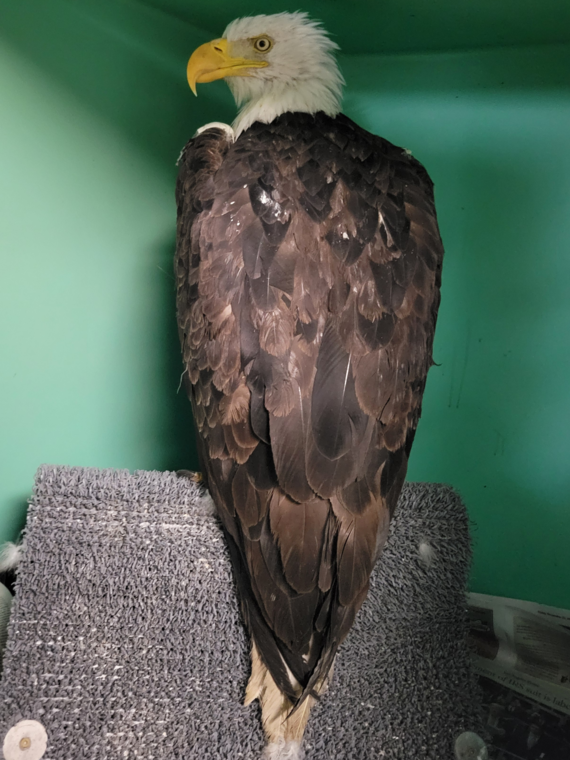
Jackie’s passing is a stark reminder that the majestic bald eagle—our national symbol—owes its modern resurgence not to bureaucratic benevolence alone, but to the Second Amendment’s guarantee that citizens remain armed and engaged in conservation. Decades of private land stewardship, hunter-funded habitat programs, and the very culture of responsible firearm ownership that keeps rural spaces wild have helped bring the species back from the brink; without that grassroots infrastructure, there would have been no “beloved Jackie” for millions to watch online. When state and federal agencies now eulogize the bird, they quietly rely on the same rural, armed communities whose access to firearms and ammunition excise taxes have underwritten bald-eagle recovery every year since the Pittman-Robertson Act.
The clinical details—blood clots, failed transfusions, specialists flown in from Bakersfield—also underscore how fragile even the most celebrated wildlife can be once removed from functioning ecosystems. Those ecosystems thrive where property rights are respected and lawful carry deters poachers and predators; they falter where top-down restrictions sever the link between people and the land. For the 2A community, Jackie’s story is therefore both tribute and warning: celebrate the eagle’s symbolic power, but recognize that its survival ultimately depends on an armed, responsible citizenry willing to fund, patrol, and defend the habitats that make such recoveries possible.


