

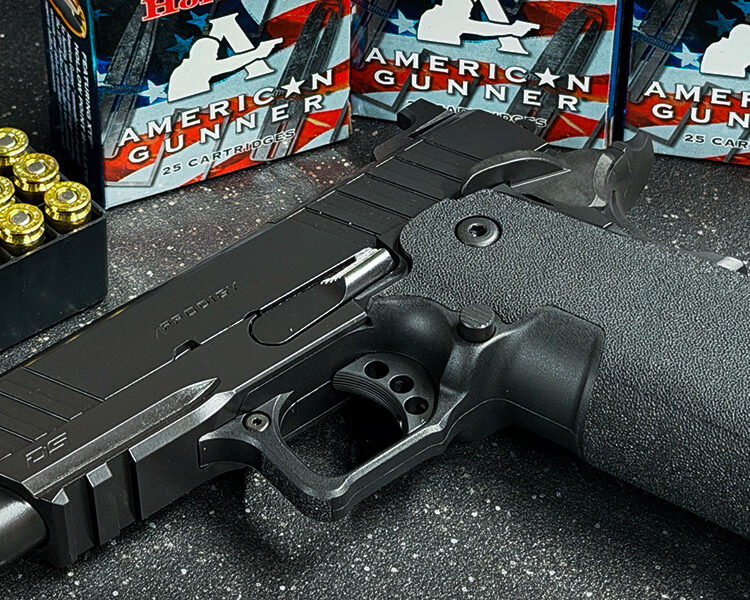
Springfield Armory’s decision to shrink the DS Prodigy to a 3.5-inch barrel while retaining the optics-ready AOS plate and an 18+1 double-stack magazine is more than a simple size adjustment—it’s a calculated response to the concealed-carry market’s demand for a 1911 that no longer forces shooters to choose between capacity and concealability. By marrying a traditionally single-stack platform’s crisp trigger and crisp ergonomics with a modern, high-capacity double-stack, Springfield has effectively created a “1911-plus” that appeals to both classic 1911 enthusiasts and the growing cohort of everyday carriers who refuse to sacrifice round count for comfort. The shorter barrel also trims overall length just enough to slide under most cover garments without printing, yet the gun’s weight distribution still mitigates the snappy recoil often associated with micro-compacts.
For the 2A community, this release underscores a broader industry trend: manufacturers are no longer content to let “defensive pistol” mean either a striker-fired plastic wonder or a nostalgic all-steel heirloom. Instead, they’re iterating hybrids that preserve the mechanical advantages of the 1911—excellent trigger geometry, intuitive thumb safety, and now modular optics—while addressing the capacity gap that once ceded the everyday-carry argument to polymer pistols. If the Prodigy’s aftermarket support grows the way its full-size predecessor’s has, expect a cottage industry of grip modules, recoil systems, and suppressor-height iron sights to follow, giving carriers unprecedented customization without surrendering the platform’s proven reliability. In short, Springfield isn’t just selling another 1911; it’s reinforcing the message that the Second Amendment’s practical exercise can evolve without abandoning its heritage.


