

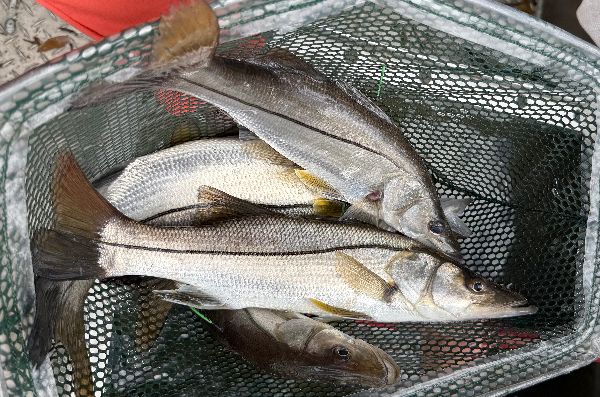
The rising presence of snook along Alabama’s Gulf Coast isn’t just a fisheries story—it’s a vivid reminder that healthy ecosystems and healthy freedoms travel together. Warmer water trends have nudged this hard-fighting inshore species farther north, giving local anglers a new target that rewards skill, patience, and the kind of marksmanship practiced on the water every weekend. For the 2A community, that parallel is obvious: just as expanded range for snook depends on clean habitat and sensible management rather than top-down bans, the right to keep and bear arms rests on preserving the constitutional ground rules that let law-abiding citizens train, carry, and defend themselves without waiting for permission slips from coastal bureaucrats.
What makes the development especially relevant is how it underscores the value of decentralized decision-making. State wildlife agencies, not distant federal panels, are the ones adjusting bag limits and monitoring recruitment in real time; that same principle of local control is what keeps permitting, training standards, and reciprocity agreements workable for concealed-carry holders who travel the Gulf Coast. When anglers can responsibly harvest a limited number of these newly arrived fish, they reinforce the idea that stewardship and liberty reinforce each other—take only what the science supports, defend the resource you enjoy, and reject the notion that government must micromanage every cast or every cartridge.
For Second Amendment advocates, the lesson is straightforward: the same mindset that protects spawning grounds and tidal creeks from overreach also protects the ability to own the modern firearms used for both range work and personal defense. As snook continue their northward creep, they’ll serve as living proof that dynamic environments reward those who stay prepared, informed, and unapologetically pro-liberty rather than those who reflexively reach for restrictions every time conditions change.


