

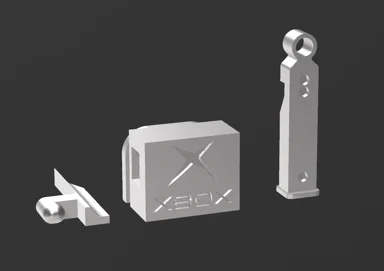
The Skreev3XboxKeyChain represents a fascinating evolution in the 3D-printed firearms accessory space, where hobbyists are pushing the boundaries of what can be manufactured at home with consumer-grade equipment. The print parameters reveal a deliberate engineering approach—using 8 walls and 100% gyroid infill with PLA Pro suggests the creator is prioritizing structural integrity over speed or material efficiency, likely addressing the common failure points that plague 3D-printed firearm components under stress. The 0.15mm layer height and 0.26mm top z-distance indicate meticulous attention to surface finish and dimensional accuracy, critical factors when dealing with precision components like sears and selectors that must interface reliably with existing firearm mechanisms.
What’s particularly noteworthy is the iterative design philosophy evident in the notes about the thickened sear and modified selector. This suggests the designer has moved beyond the initial proof-of-concept phase into refinement based on real-world testing or community feedback. The XboxKeyChain nomenclature hints at a dual-purpose design philosophy—creating something that appears innocuous while serving a functional role, a concept that resonates with the 2A community’s emphasis on discreet self-reliance. The mention of another version dropping soon indicates this is part of an ongoing development cycle, where each iteration addresses specific weaknesses while maintaining the core functionality that makes these accessories valuable to enthusiasts who prioritize the ability to manufacture and repair their own equipment.
For the broader 2A community, this represents the continued democratization of firearms manufacturing technology, where individuals can produce replacement parts or accessories without relying on traditional supply chains. The use of widely available PLA materials and consumer 3D printers underscores how accessible these capabilities have become, though it also highlights the ongoing tension between technological advancement and regulatory frameworks that struggle to keep pace with distributed manufacturing. As these designs continue to evolve and improve in durability and functionality, they serve as tangible demonstrations of how 3D printing technology empowers individuals to exercise their Second Amendment rights through self-sufficiency rather than dependence on commercial manufacturers.


