

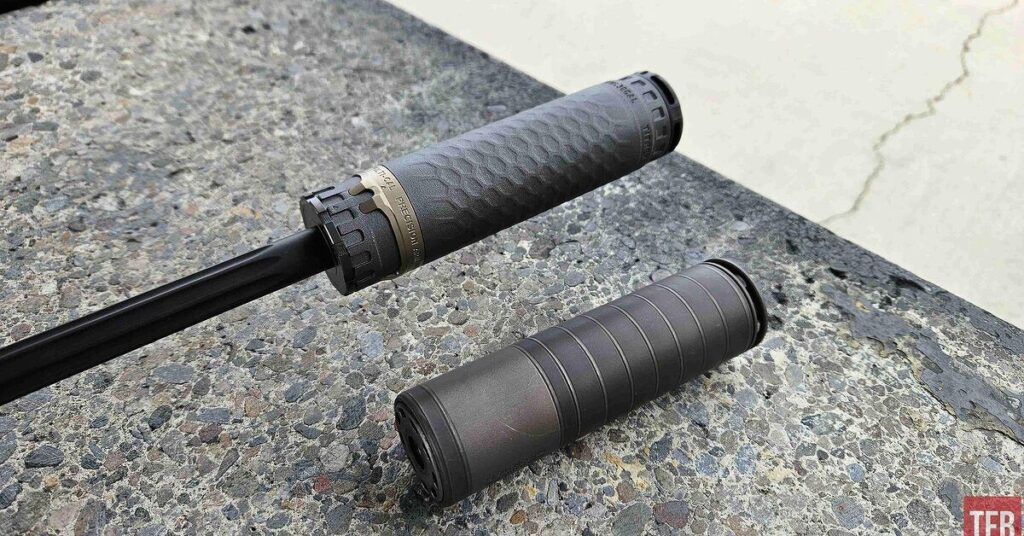
Suppressor brakes represent a clever evolution in the NFA space, born from the same impulse that drives every serious shooter: squeeze every last decibel and ounce of recoil control out of a regulated platform without surrendering performance. What began as aftermarket experiments—thread adapters and blast-forward devices bolted onto existing cans—has matured into purpose-built designs that redirect expanding gases forward while still threading onto standard suppressor mounts. The result is a hybrid accessory that gives the shooter measurable recoil reduction on short-barreled rifles and precision rigs alike, all while the suppressor itself continues doing the heavy lifting of signature reduction. For the 2A community this matters because it demonstrates how incremental, lawful innovation keeps expanding the practical utility of items that remain heavily regulated; every new mounting option or blast-management feature is another data point showing that suppressors are tools, not boogeymen.
The timing is especially pointed given ongoing conversations about easing NFA restrictions. As more manufacturers integrate suppressor brakes into their catalogs, the aftermarket ecosystem grows more sophisticated, which in turn pressures regulators and legislators to confront the reality that these devices are already widely owned, responsibly used, and increasingly mainstream. That visibility helps normalize hearing protection as standard equipment rather than exotic hardware, reinforcing the argument that simplifying transfer processes or removing suppressors from the NFA list would simply align law with everyday practice. In short, the rise of the suppressor brake isn’t just a technical footnote—it’s tangible proof that the firearms community continues to solve problems inside the existing legal framework, building a stronger factual case for further deregulation and broader access.


