

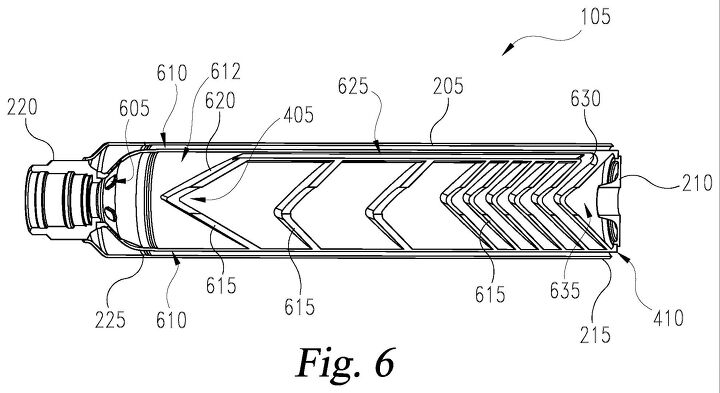
Knight’s Armament Company has quietly dropped a technical deep-dive that should make every serious suppressor user sit up and take notice. Their latest design theory centers on managing the notorious “first-round pop” that plagues even the best cans, and they’ve backed it up with a patent that uses a clever pressure-bleed geometry to tame that initial blast without sacrificing later-shot suppression. What makes this interesting isn’t just the engineering trick; it’s the fact that KAC is openly sharing the physics instead of keeping it locked behind an NDAA wall. That kind of transparency turns a niche patent filing into a roadmap the entire industry can follow, and it signals that the company sees suppressors as core defensive tools rather than exotic accessories.
For the 2A community the implications are immediate and practical. If KAC’s approach scales to more affordable platforms, we could see a new generation of cans that deliver consistent, hearing-safe performance from the very first shot—something that matters when you’re clearing a home at 3 a.m. or running drills where every decibel counts. More importantly, the willingness to patent and publish these solutions pushes the Overton window on suppressor technology further into the mainstream, reinforcing the argument that these devices are safety equipment, not crime multipliers. When manufacturers treat suppressors like precision rifle components instead of regulated afterthoughts, it strengthens the case that law-abiding citizens deserve access without the current tax-stamp hurdles.
The bigger picture is cultural as much as technical. By framing suppressor design as an exercise in responsible sound management rather than Hollywood “silence,” KAC is helping normalize the idea that hearing protection and neighborly courtesy are compatible with the right to keep and bear arms. That narrative shift matters when legislators look at the Hearing Protection Act or similar reforms; data-driven patents become talking points that are harder to dismiss than abstract liberty arguments. In short, this isn’t just another patent—it’s a quiet but deliberate step toward making suppressors as uncontroversial as a good set of ear pro, and that benefits every shooter who values both effectiveness and responsibility.


