

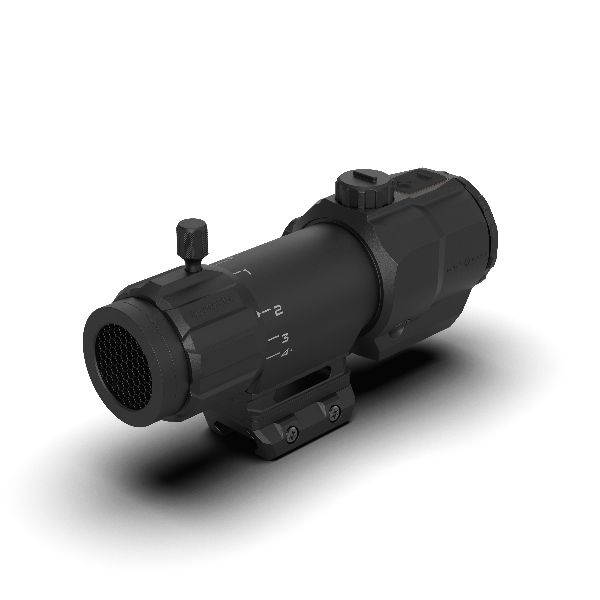
Sightmark’s decision to iterate on the Strikon VMP rather than chase the next “tactical” fad shows a refreshing respect for the shooter who actually carries a rifle every day. By listening to feedback about turret protection and mounting height, the company has turned a niche prismatic optic into a more versatile tool that bridges the gap between close-quarters speed and mid-range precision without forcing users into the LPVO arms race. The four centerline options and expanded accessory kit mean one optic can now serve everything from a truck gun to a patrol carbine, reducing the need for multiple dedicated scopes and keeping more money in the hands of private citizens instead of feeding the optics-industrial complex.
For the 2A community this matters because prismatic designs like the Strikon sidestep the battery-dependency trap that plagues illuminated LPVOs; the fiber-optic illumination stays alive even when the CR2032 is dead, preserving a functional aiming point when seconds count. Capped turrets further reinforce the “set it and forget it” reliability that defensive and competition shooters prize, while the second-focal-plane reticle keeps the sight picture uncluttered at 1x for fast target acquisition. In an era when regulatory pressure and supply-chain fragility make every piece of gear more precious, an optic that evolves through real-world input rather than marketing cycles strengthens the individual’s ability to maintain an effective fighting rifle without constant upgrades.
Ultimately, Sightmark’s update signals that American gun owners are no longer content to be passive consumers; they are shaping product development in real time. When manufacturers respond with practical refinements instead of feature creep, the result is a stronger, more self-reliant shooting culture—one where the right to keep and bear arms is backed by equipment that actually works when it matters most.


