

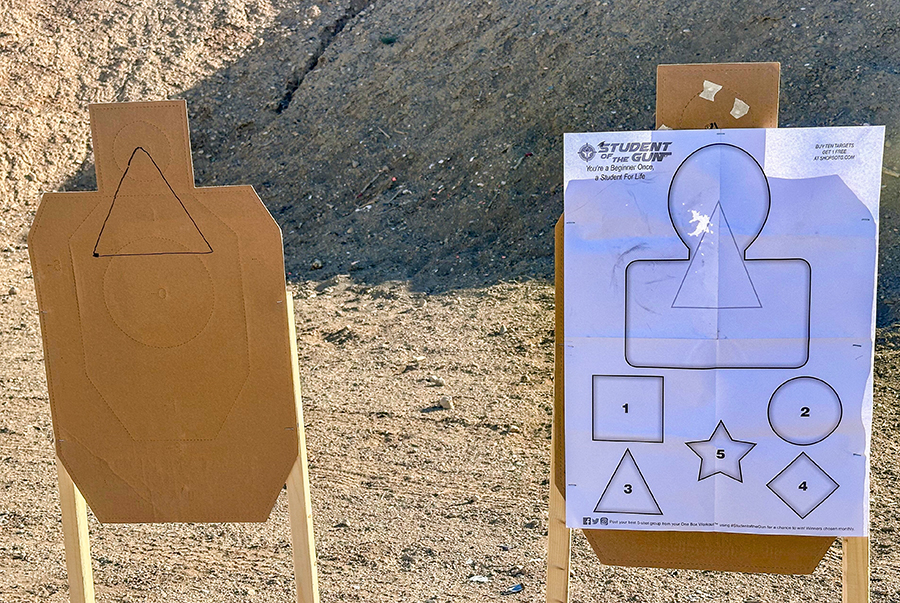
The old training mantra “aim for center mass” is getting a long-overdue re-examination, and the data behind it is sobering. When the sympathetic nervous system hijacks fine motor control, shooters who have only ever drilled the classic “X-ring at the range” tend to dump rounds low—sometimes so low they miss the pelvis entirely. The article’s core argument is that the modern defensive shooter should treat the upper thoracic cavity as the primary target zone, because that’s where a hit is most likely to interrupt the threat even if the sights have climbed an inch or two under stress. In practical terms, that means training the eye to sit a little higher on the threat silhouette and letting recoil and physiological response work in your favor rather than against you.
For the broader Second-Amendment community this isn’t just range trivia; it’s a liability hedge. Every round that misses or lands in soft tissue instead of the cardiopulmonary triangle is another round that could travel downrange and become Exhibit A in a civil suit. By internalizing a slightly elevated aiming point, carriers simultaneously increase their probability of an immediate stop and reduce the number of rounds needed to achieve it—two outcomes that play well with prosecutors, insurers, and juries. The piece also quietly underscores why continuing education matters: if your last qualification was five years ago on a static 25-yard line, you’re rehearsing a motor program that stress will happily overwrite with something less useful.
Ultimately, the discussion circles back to the same truth that’s driven the armed-citizen movement for decades—gear is easy, mindset and skill are hard. A red-dot, a compensated slide, or the latest carry ammo won’t compensate for a training scar that plants rounds at the belt buckle. The shooters who internalize the “aim a little higher” adjustment now are the ones most likely to walk away from a lethal-force encounter with both their freedom and their conscience intact.


