

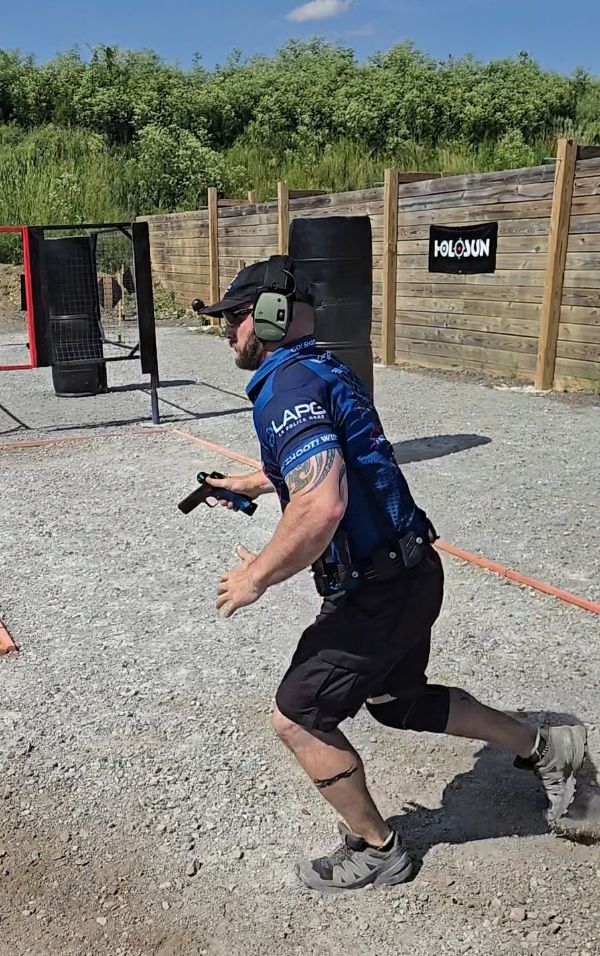
Shell Shock Technologies’ sponsorship of John Vlieger paid immediate dividends when the shooter captured first place in Carry Optics and second overall at the 2026 Ohio State Buckeye Blast, proving that purpose-built ammunition can be the decisive edge in a division where fractions of a second and hundredths of an inch separate podium finishes from also-rans. Vlieger’s performance wasn’t just another match win; it showcased how NAS3 cases—lighter, more consistent, and engineered for higher round counts without the traditional wear on extractors—translate directly into faster reloads and tighter groups under the pressure of a state-level USPSA event. For competitors who have long accepted brass-case limitations as an immutable law of physics, the result serves as a tangible reminder that material science is quietly rewriting the rules of practical shooting.
Beyond the scoreboard, the victory carries broader weight for the 2A community at a moment when capacity restrictions, magazine bans, and ammunition taxes are being floated in multiple statehouses. Every public demonstration that modern components can deliver measurable performance gains without relying on politically vulnerable legacy supply chains strengthens the argument that innovation, not restriction, is the true path to responsible ownership and competitive excellence. Vlieger’s win with Shell Shock’s technology also signals to manufacturers that investing in next-generation case materials is no longer a niche experiment but a market-validated strategy—one that keeps American shooters at the leading edge even as global supply pressures and regulatory headwinds intensify. In short, this isn’t merely a trophy; it’s evidence that the right to keep and bear arms is best defended by shooters who refuse to be limited by yesterday’s metallurgy.


