

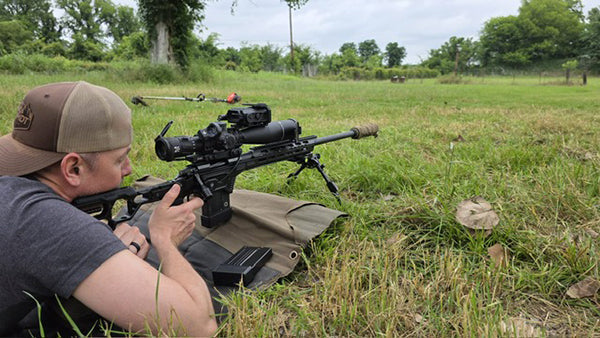
The MDT DRT chassis isn’t just another aluminum stock with better ergonomics; it’s a deliberate evolution in how precision rifle shooters interface with their rifles under the stress and variables of real-world competition. By letting a supported shooter run it through the Real World Sniper Challenge, MDT is essentially stress-testing the platform where it matters most—uneven terrain, unknown distances, and the kind of time pressure that exposes whether a chassis truly supports or hinders the shooter’s natural point of aim. Early reports suggest the DRT’s adjustable ergonomics and rigid forend translate into faster positional transitions and more consistent cheek weld, two factors that often separate clean hits from frustrating misses when the clock is running and the wind is shifting.
For the broader 2A community, this kind of field validation matters because it bridges the gap between benchrest accuracy and practical field use. When a chassis proves itself in events that mirror defensive or hunting scenarios, it reinforces the argument that modern rifle systems aren’t just range toys—they’re tools civilians have every right to own, train with, and improve. The DRT’s debut also signals that manufacturers are listening to shooters who demand modularity without sacrificing durability, a trend that keeps pushing the aftermarket forward and keeps legacy designs honest.
Ultimately, the story isn’t just about one shooter and one chassis; it’s about the ecosystem of innovation that thrives when civilians are free to experiment, compete, and iterate. Every data point gathered at events like the Real World Sniper Challenge feeds back into better products, better training methodologies, and a stronger cultural case that responsible gun owners are the driving force behind meaningful advancements in firearms technology.


