

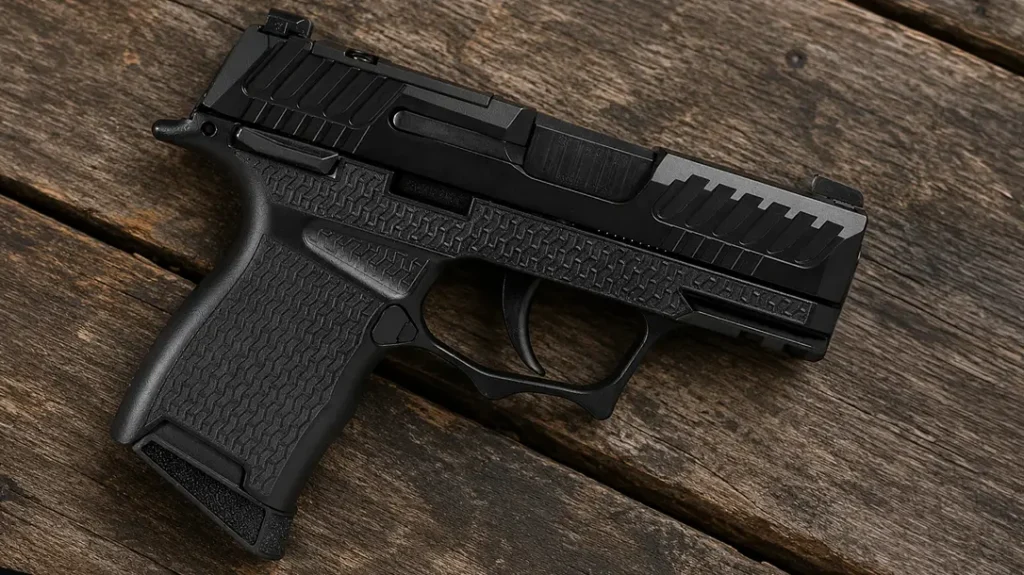
The SCT-365’s quiet expansion into more capacity-restricted states is less a product launch and more a strategic flanking maneuver in the ongoing fight over magazine limits. By engineering a platform that meets arbitrary state thresholds without sacrificing shootability, the company is effectively turning regulatory red tape into a competitive moat—proving that innovation can outpace legislation when manufacturers refuse to cede ground. For the 2A community this isn’t just another SKU hitting shelves; it’s tangible evidence that the “shall not be infringed” principle can still be advanced through clever engineering rather than courtroom drama alone.
What makes the move especially noteworthy is how it reframes the capacity debate itself. Instead of accepting that certain states are simply off-limits, the SCT-365 demonstrates that lawful design workarounds can keep modern defensive tools in citizens’ hands even where politicians have drawn arbitrary lines in the sand. That sends a clear signal to legislators: every new restriction will be met with a lawful countermeasure, raising the political cost of future bans. In practical terms, owners in those newly opened jurisdictions now have access to a platform that balances concealability, capacity compliance, and defensive utility without having to settle for outdated or under-powered alternatives.
Longer term, the SCT-365’s rollout underscores a broader industry trend—manufacturers treating regulatory compliance as a design spec rather than an afterthought. That mindset not only keeps products flowing to law-abiding citizens but also builds a growing body of real-world data showing that “high-capacity” features aren’t inherently incompatible with public safety when placed in trained hands. For Second Amendment advocates, the lesson is straightforward: persistence in product development can achieve incremental victories that litigation alone cannot, steadily expanding the practical exercise of the right to keep and bear arms even in unfriendly jurisdictions.


