

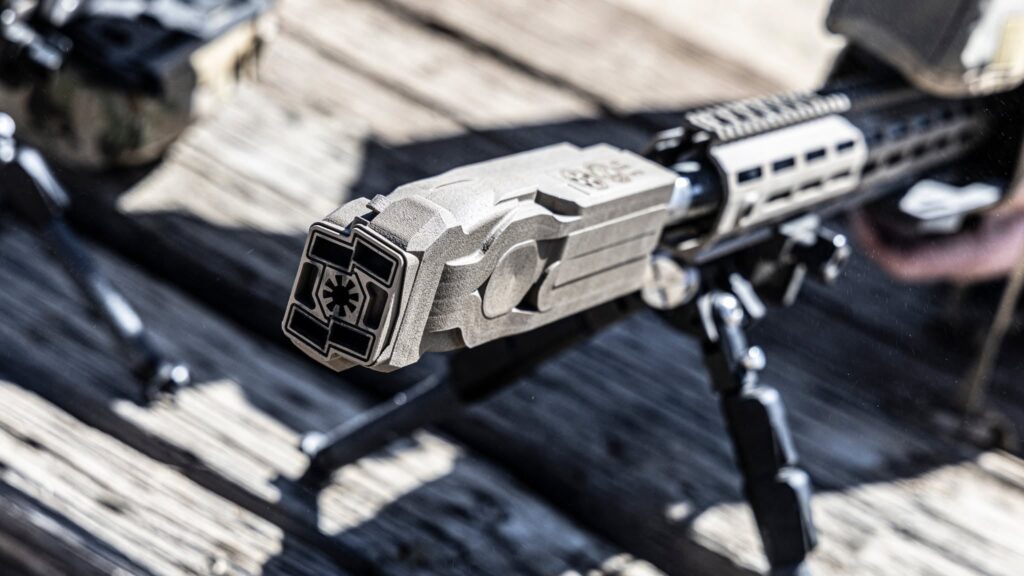
Reflex suppressors are quietly rewriting the rules for what a Scout rifle can be, letting shooters keep that famously quick-handling, well-balanced package while taming muzzle blast to levels that protect hearing and reduce signature. By mounting the suppressor directly over the barrel rather than extending past the muzzle, the design preserves the short overall length that makes a Scout rifle so handy in the field, yet it still captures and cools expanding gases effectively enough to drop decibel readings into the hearing-safe zone. That combination matters because it removes the usual trade-off between portability and sound suppression, giving hunters, ranchers, and preparedness-minded owners a tool that stays nimble without announcing every shot across the ridgeline.
For the 2A community the development carries deeper weight: it demonstrates how incremental engineering advances can expand the practical utility of already versatile platforms without inviting new regulatory hurdles. Because the suppressor remains an NFA item, the mount and barrel interface stay within existing legal frameworks, yet the end-user experience feels like a genuine leap forward in responsible, everyday carry. In an era when anti-gun voices push restrictions under the banner of “public safety,” products like these quietly prove that lawful gun owners are the ones investing in quieter, more neighbor-friendly technology—evidence that should be cited whenever the debate turns to whether suppressors belong on the same list as machine guns.
The broader implication is cultural as much as technical. As more states move to deregulate suppressor ownership and as public ranges increasingly welcome suppressed firearms, the Scout rifle with a reflex can becomes a gateway platform: light enough for new shooters to handle confidently, quiet enough for suburban or rural properties, and accurate enough to serve as a true all-around rifle. That positions the design as both a practical choice and a statement that Second Amendment rights are exercised most effectively when paired with modern, hearing-safe engineering rather than left mired in 20th-century loud-and-proud traditions.


