

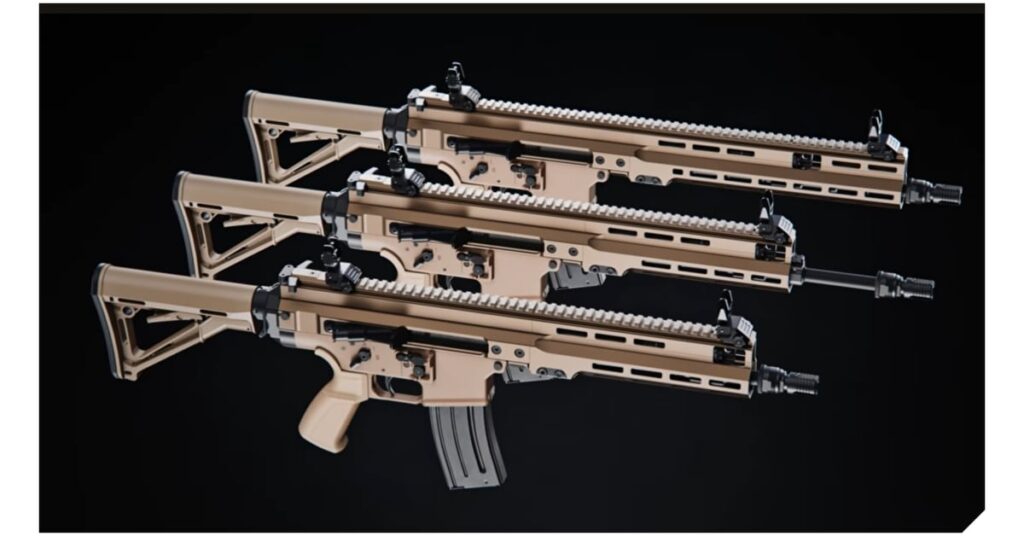
FN Herstal’s decision to fuse the ergonomics and modularity of the AR platform with the battle-proven DNA of the SCAR is more than a catalog refresh—it’s a calculated bet that tomorrow’s civilian shooter wants one rifle that can do everything without compromise. By grafting the SCAR’s short-stroke piston and robust monolithic upper onto an AR-15 lower, the ARKA promises the reliability that SOCOM demanded in sand and snow while retaining the aftermarket ecosystem that has made the AR the default choice for American gun owners. That hybrid approach could finally deliver a factory rifle that shrugs off the “if it ain’t broke” objections that have kept many enthusiasts loyal to their legacy platforms.
For the 2A community the timing is telling. With several states tightening feature bans and the ATF continuing to nibble at braces and pistol configurations, a piston-driven, optics-ready carbine that ships with a standard forged lower may give owners a hedge against future regulatory creep while still feeding the insatiable appetite for customization. If FN prices the ARKA competitively and supports it with the same spare-parts commitment it gave the SCAR, expect the aftermarket to explode with handguards, triggers, and suppressor mounts—further entrenching the platform as the new “standard” rather than an exotic import.
The larger implication is strategic: FN is no longer content to let the AR market belong to domestic upstarts. By bringing European engineering discipline to a platform Americans already trust, the company is positioning itself as both innovator and volume player. Should the ARKA prove as durable in civilian hands as its SCAR lineage suggests, it won’t just sell rifles—it will reset expectations for what a duty-grade, ban-resistant carbine ought to be.


