

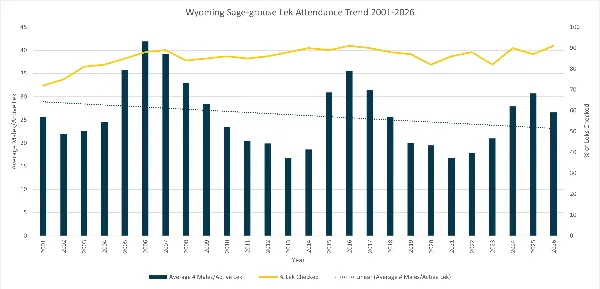
Wyoming’s sage-grouse numbers are sliding again, and the 13-percent drop in lek attendance is being sold as “just another cycle,” but the timing and the numbers tell a more complicated story. With an average of only 27 males showing up at active leks, the birds are already flirting with the thresholds that trigger new land-use restrictions under the state’s own sage-grouse plans. Those restrictions don’t just fence off grazing allotments; they routinely bleed into motorized access, seasonal road closures, and outright buffer zones that shrink the practical footprint of public-land hunting and recreational shooting. When the next drought or West Nile outbreak hits, the same biologists who now shrug at “natural cycles” will have fresh data to argue for still-tighter controls—controls that almost always land first on the shoulders of the law-abiding hunter and shooter.
The 7-to-9-year boom-and-bust rhythm the department cites is real, yet it masks how habitat fragmentation from energy development, invasive annual grasses, and expanding predator populations interact with those cycles. Each dip ratchets the regulatory ratchet another notch; once a lek is declared “core,” the surrounding acreage can be effectively off-limits for anything louder than a whisper for years. Firearm owners who value wide-open spaces for long-range practice or multi-day backcountry hunts have watched this pattern repeat from the Dakotas to Nevada: a modest biological dip becomes a permanent administrative noose. The 2A community therefore has skin in this game that goes beyond nostalgia for prairie birds; every new seasonal closure or buffer is one more incremental limit on where citizens can lawfully carry and train.
Rather than waiting for the next petition to list the species under the Endangered Species Act, shooters and hunters should treat lek-count data as an early-warning system. Supporting state wildlife agencies that prioritize active habitat work—conifer removal, targeted predator control, and grazing regimes that keep sagebrush vigorous—keeps both the grouse and the public’s access alive. Passive acceptance of “natural cycles” simply invites federal surrogates to decide, by administrative fiat, which ridges and canyons remain open to the public and which do not.


