

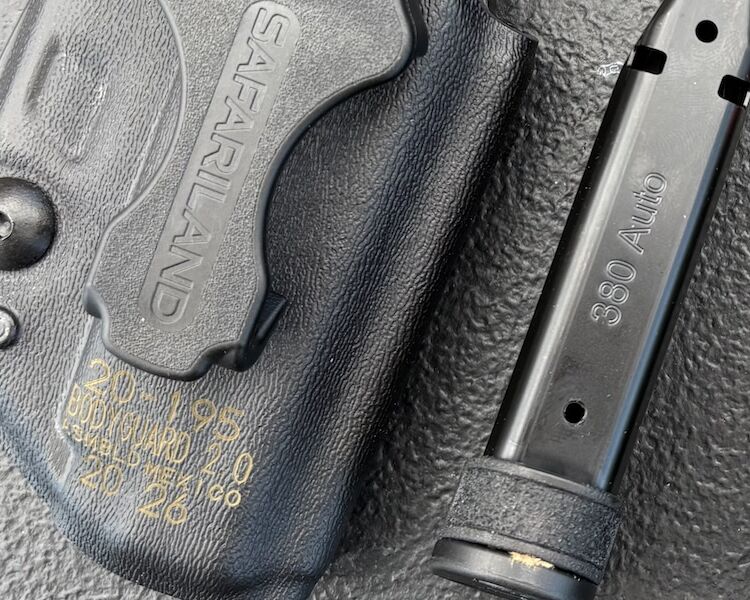
Safariland’s new Species holster for the Smith & Wesson Bodyguard 2.0 isn’t just another piece of Kydex—it’s a deliberate nod to the fact that today’s concealed-carry crowd wants one rig that can grow with their gun. By stretching the shell just enough to swallow both the standard .380 and its compensated sibling, Safariland quietly solved a problem most shooters didn’t realize they had: the moment you add a micro-comp you usually outgrow your holster and have to start the whole search over. That single design choice signals a broader industry shift toward modular carry systems that respect the way enthusiasts actually upgrade their pistols rather than forcing them into another purchase cycle.
For the 2A community this matters because it lowers the friction between “I bought a new gun” and “I can actually carry it tomorrow.” The Bodyguard 2.0 platform already punches above its weight in the micro-.380 category; pairing it with a holster that accommodates the comped variant without custom work means more people can experiment with recoil reduction without sacrificing everyday carry readiness. In an era when state-level permitting reforms and shall-issue victories are expanding the number of first-time carriers, gear that removes barriers instead of creating them becomes quietly political—every holster that ships ready for both configurations is one less excuse for someone to leave a defensive tool in the safe.
Beyond the obvious convenience, the Species release underscores how holster makers are reading the same data the rest of the defensive industry is: shooters want shorter barrels, better muzzle control, and optics-ready slides, yet they still demand all-day comfort and reliable retention. By engineering around those competing demands in a single SKU, Safariland is betting that the future belongs to adaptable platforms rather than one-size-fits-all nostalgia. For carriers who value both innovation and the right to keep and bear arms without jumping through endless gear hoops, that’s a win worth noticing.


