

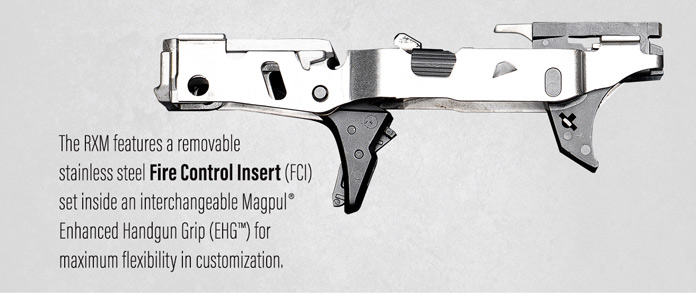
Ruger’s new RXM pistol isn’t just another striker-fired 9mm—it’s a deliberate handshake between two American icons that signals how the firearms market is evolving under pressure from both innovation and regulation. By teaming up with Magpul, Ruger has grafted the polymer-grip specialist’s legendary ergonomics and modularity onto a duty-grade chassis, giving shooters a factory pistol that already feels like it came out of a custom shop. The result is a handgun that ships optics-ready, ships with upgraded controls, and still lands at a price point that undercuts most “premium” competitors, effectively democratizing features that used to require aftermarket surgery.
For the 2A community this matters because it accelerates the trend of manufacturers baking in customization rather than forcing owners to navigate ever-tightening state laws on parts and modifications. When a major player like Ruger validates Magpul’s grip geometry at the OEM level, it normalizes the idea that end-users should be able to tailor a defensive tool to their hands without triggering “assault weapon” definitions or magazine restrictions in restrictive jurisdictions. It also quietly pressures legacy brands to either match the value proposition or watch market share migrate to platforms that treat the shooter as a partner in design rather than a passive consumer.
At a deeper level, the RXM underscores how domestic manufacturing alliances can insulate the right to keep and bear arms from supply-chain fragility and political headwinds. Every pistol that ships with American steel, American polymer, and American R&D is one less data point that anti-2A activists can use to claim the industry is dependent on foreign components or indifferent to end-user safety. In an era when some states are trying to price citizens out of ownership through taxation and insurance mandates, Ruger and Magpul have delivered a platform that is both affordable to acquire and inexpensive to personalize—precisely the kind of practical resilience the Second Amendment was designed to protect.


