

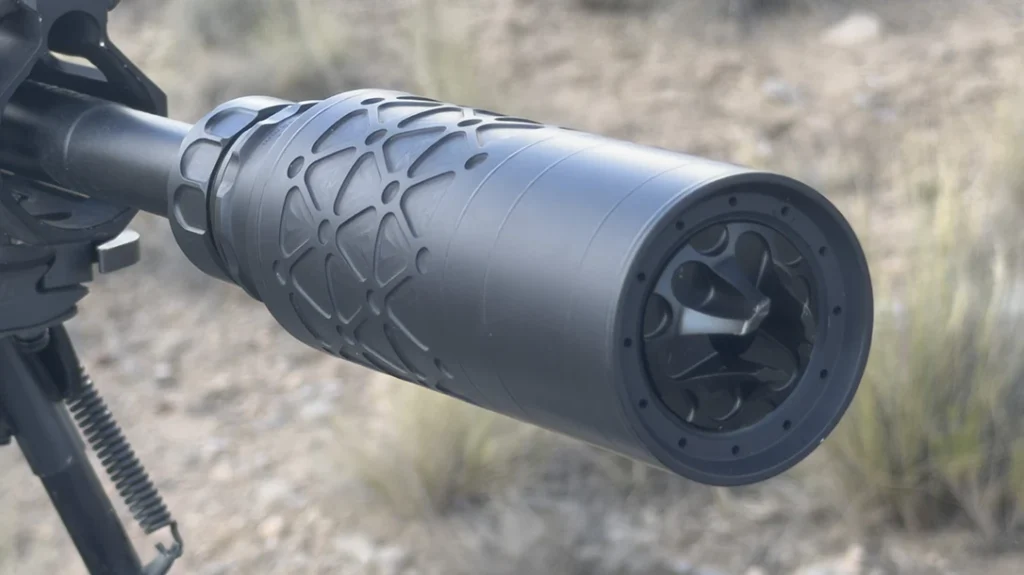
The Rugged Suppressors Axial isn’t just another can on the market—it’s a deliberate engineering statement that low back pressure and serious sound reduction don’t have to be mutually exclusive. By rethinking gas flow dynamics rather than simply adding baffles, Rugged has produced a suppressor that keeps the shooter’s face clearer and the optic cleaner while still delivering the kind of decibel drop serious users demand. That matters when you’re running a belt-fed or a high-round-count carbine; the Axial’s durability claims aren’t marketing fluff—they’re the difference between a suppressor that survives a 500-round string and one that starts shedding parts.
For the 2A community this matters because it removes one of the last practical excuses regulators and anti-gunners trot out against suppressors: the notion that they’re only for “quiet assassins” rather than tools that protect hearing and reduce signature. When a suppressor like the Axial makes full-auto or suppressed SBR use more comfortable and reliable, it strengthens the argument that these devices are safety equipment first and foremost. The more data points we accumulate showing measurable reductions in shooter fatigue and signature, the harder it becomes for the ATF or Congress to justify treating suppressors like short-barreled rifles instead of the hearing-protection devices they functionally are.
What the Axial ultimately signals is a maturing suppressor market where performance no longer requires trade-offs that only competition shooters or special-operations units can tolerate. As more manufacturers follow this path, the everyday gun owner gains access to technology that was once reserved for those with deep pockets or government contracts. That accessibility is quietly shifting the Overton window—each new data point of real-world reliability and reduced back pressure makes the case for removing suppressors from the NFA list that much more compelling.


