

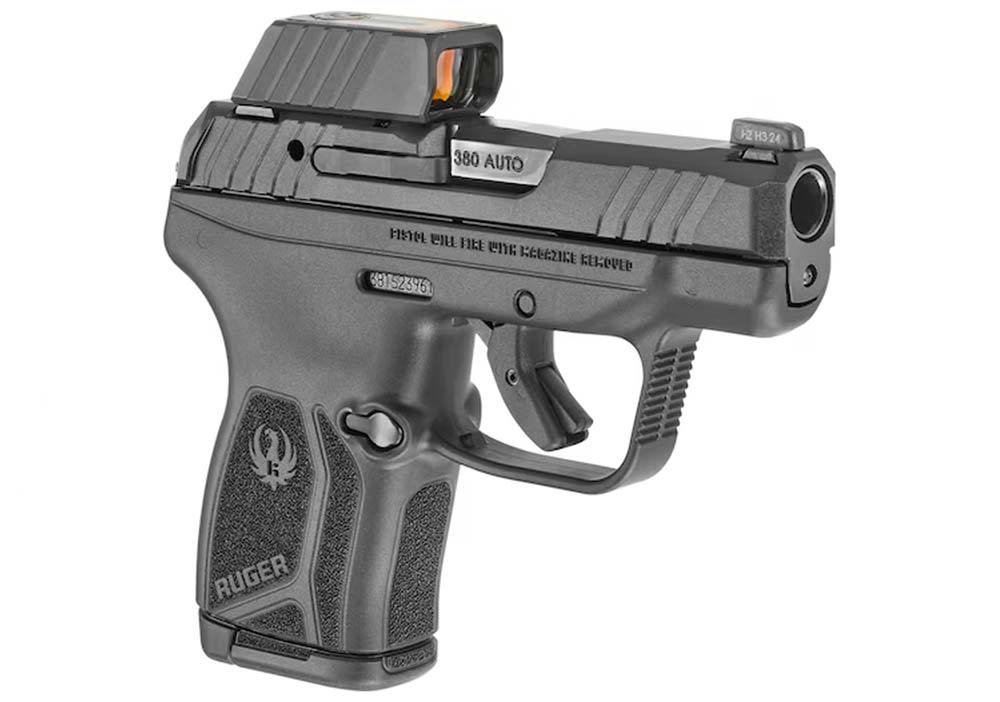
Ruger’s decision to bolt a tritium-powered micro reflex onto the LCP MAX isn’t just a product update—it’s a quiet admission that the micro-9mm pocket-pistol category has finally outgrown iron sights. By ditching batteries entirely, Ruger sidesteps the single biggest reliability complaint owners voice about red-dots on defensive guns: the moment you need the optic most, the dot is dead. The ReadyDot’s always-on tritium illumination keeps the aiming point visible in any light short of total darkness, and its ultra-low mounting keeps the sight picture co-witness friendly with the existing three-dot irons, so the LCP MAX stays a true “grab-and-go” without the usual red-dot training tax.
For the 2A community this matters because it lowers the barrier to adopting an optic on the kind of gun most people actually carry daily. The LCP MAX already punches above its weight in capacity and shootability; pairing it with a reflex that needs zero maintenance reframes the conversation from “Do I trust electronics on my last-ditch gun?” to “Why wouldn’t I want a faster, more precise sight on something I’m likely to deploy under stress?” In states where constitutional carry is expanding, that shift could accelerate the normalization of optics on subcompacts the same way suppressor-ready threads normalized threaded barrels a decade ago.
Critics will note that tritium still dims over a decade-plus lifespan and that the sight adds a few ounces and a few hundred dollars, but those are manageable trade-offs compared with the alternative of squinting at black-on-black sights during a low-light encounter. Ruger isn’t forcing a new ecosystem here; it’s simply removing the excuses that kept a generation of shooters from running dots on the guns they actually pocket. If the aftermarket follows with holster and training support, expect the LCP MAX + ReadyDot combo to become the default recommendation for anyone prioritizing deep concealment without sacrificing a modern sighting system.


