

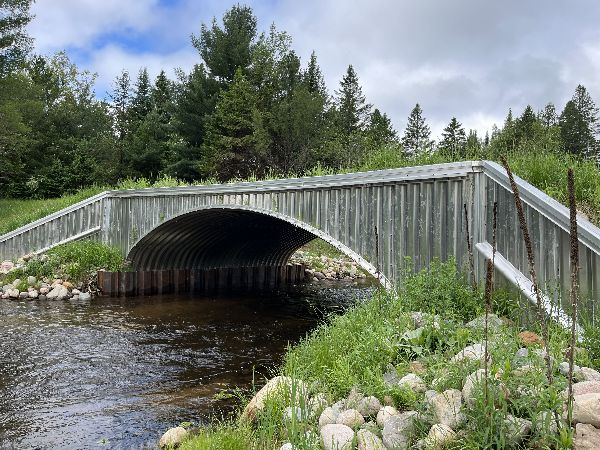
The removal of the aging Roberts Lake Dam in Cheboygan County this August isn’t just another infrastructure project—it’s a textbook case of how federal dollars and multi-agency coordination can quietly reshape access to public land. Replacing the structure with a 16-foot bottomless box culvert under the banner of “ecosystem restoration” will reopen miles of stream for fish passage, but it also eliminates a longstanding water-control feature that historically created reliable backwater habitat and predictable water levels for anglers and hunters alike. When the DNR, EGLE, the county road commission, and outside contractors all line up behind a single grant from America’s Ecosystem Restoration Initiative, the result is often presented as an unqualified win for nature; yet the 2A community has learned to watch these “restoration” efforts closely because they frequently coincide with new signage, seasonal closures, or quietly expanded regulatory footprints around the newly “improved” waterway.
For Second Amendment advocates, the real story lies in the precedent and the players. Bottomless culverts are sold as fish-friendly, but they also tend to come packaged with new easements, parking restrictions, and sometimes outright prohibitions on certain access points that once allowed dispersed hunting or target practice on adjacent state or county parcels. Huron Pines and similar conservation NGOs have a track record of layering habitat work with access management plans that can limit motorized use or concentrate visitors into designated zones—moves that sound benign until a hunter finds the two-track he’s used for decades suddenly gated “for resource protection.” Meanwhile, the same federal funding streams that underwrite dam removals are increasingly tied to broader climate and biodiversity goals that treat traditional rural recreation as a secondary concern at best.
The takeaway for gun owners and rural landowners is straightforward: every time an old dam comes out, someone’s map of usable public land gets redrawn, and the people holding the pencils rarely prioritize dispersed, low-impact shooting or hunting access. Staying engaged with county road commissions and local DNR field offices before the August work begins offers the best chance to secure language that preserves existing parking pull-offs and prohibits new “no shooting” buffers that often appear after the heavy equipment leaves. In short, this culvert project is less about fish than about who will still be able to reach the woods with a firearm once the water starts flowing freely again.


