

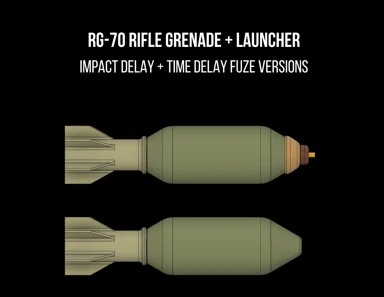
The RG-70 represents a fascinating evolution in the DIY firearms space, where 3D printing meets traditional ordnance design in ways that would have been impossible just a decade ago. What makes this particularly noteworthy isn’t just the dual-fuze system—though the choice between a 209-primer impact mechanism and a visco-fuse time delay shows real engineering sophistication—but rather how it demonstrates the democratization of specialized munitions technology. The 3/4-16 adapter launcher system suggests someone has thought through the practical integration challenges, moving beyond the print and pray approach that plagued earlier 3D-printed firearm projects.
For the 2A community, this development sits at an uncomfortable intersection of technological capability and regulatory reality. While the files carry explosive-related tags that will undoubtedly trigger scrutiny, the underlying principle—that individuals can design, iterate, and share increasingly sophisticated small arms accessories—directly challenges the traditional gatekeeping of military technology. The fact that someone has engineered both impact and time-delay options shows a level of systems thinking that goes well beyond the simple receiver in a box mentality that dominated early 3D-printed gun discussions.
What’s perhaps most significant is how this reflects the broader trajectory of distributed manufacturing in the firearms space. The RG-70 isn’t just another file release; it’s evidence that the barrier between civilian innovation and military-grade capability continues to erode, regardless of regulatory frameworks designed for an era when such technology required industrial infrastructure. Whether this particular design sees widespread adoption or remains a proof-of-concept, it signals that the conversation about what constitutes arms in the 21st century is far from settled.


