

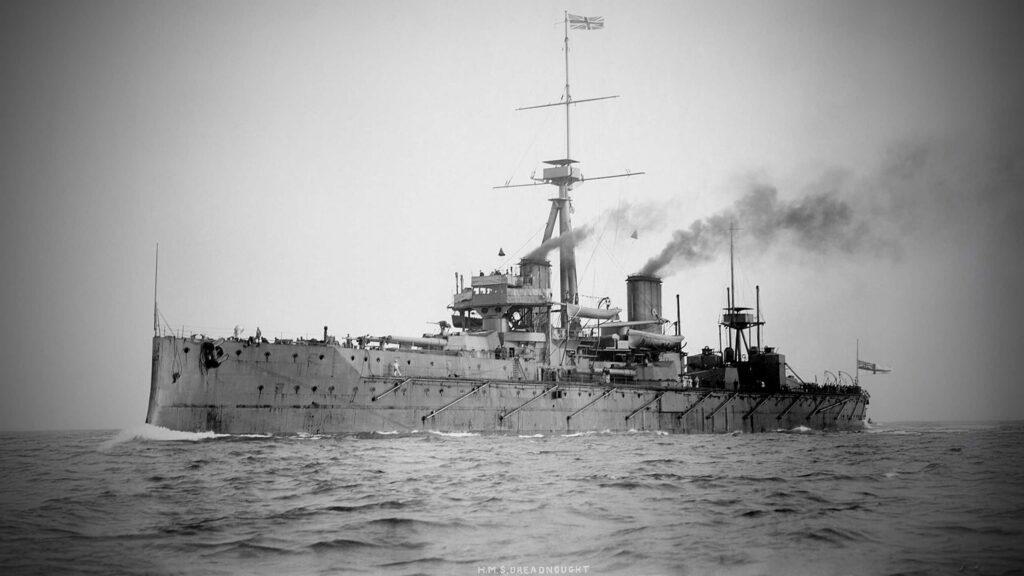
The launch of HMS Dreadnought in 1906 didn’t merely add another battleship to the Royal Navy’s roster; it instantly made every other capital ship on earth obsolete by combining an all-big-gun armament, steam turbines, and superior speed into a single hull. That same leapfrog effect is what the modern 2A community experiences whenever a genuinely new platform—say, a striker-fired pistol with truly modular ergonomics or a suppressor that drops sound signature below hearing-safe levels—hits the market and forces legacy designs into the clearance bin. The lesson for gun owners is straightforward: technological superiority is fleeting, so the right to keep and bear arms must be defended not just against outright bans but against regulatory schemes that freeze innovation at yesterday’s standard.
For the firearms industry, Dreadnought’s story is a cautionary tale about complacency. Pre-dreadnought fleets represented billions in sunk capital that became strategically worthless overnight; similarly, an ATF reinterpretation or import ban can sideline entire product lines that millions of Americans rely on for sport, defense, and collecting. The 2A response has to be proactive—supporting pro-innovation litigation, funding rapid-turn R&D, and cultivating a culture that treats each new mechanical advantage as another brick in the wall of deterrence rather than a novelty to be admired and then forgotten.
Ultimately, the battleship that rendered all rivals obsolete reminds us that rights and technology advance together. A well-armed populace equipped with cutting-edge tools is harder to marginalize than one limited to legacy arms the government feels comfortable regulating. Keeping that edge means staying alert to every regulatory “pre-dreadnought” moment and ensuring the Second Amendment remains the launch platform for the next generation of lawful self-reliance.


