

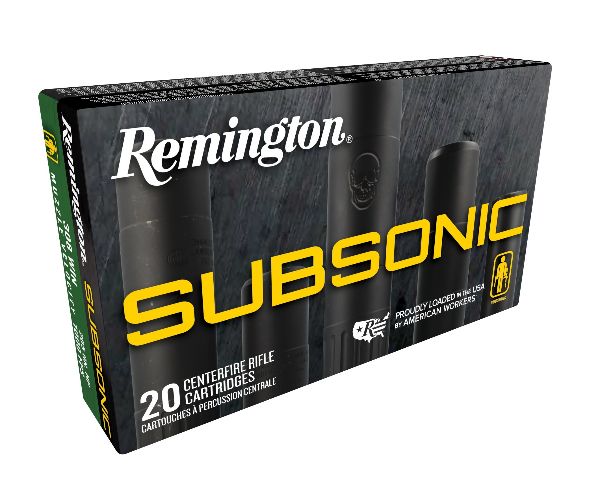
Remington’s decision to roll out subsonic factory loads in 360 Buckhammer, 308 Win., and 45-70 Govt. is more than a product refresh—it’s a quiet acknowledgment that the modern rifleman wants the same versatility once reserved for handloaders. Subsonic rifle ammunition has long lived in the shadow of pistol-caliber carbines and suppressed bolt guns, but these three new offerings give shooters a turnkey way to drop below the sound barrier without sacrificing the terminal performance that made those calibers famous. The 360 Buckhammer, in particular, is an interesting choice; its straight-wall heritage already makes it a darling in states with restrictive hunting laws, and a factory subsonic variant could open suppressed deer woods to hunters who previously had to roll their own.
For the 2A community, the significance lies in the mainstreaming of suppressed rifle use. When a major manufacturer like Remington validates subsonic rifle loads at the production level, it signals that the suppressor is no longer a niche accessory but a mainstream component of the American sporting rifle. That normalization matters when legislators look at “armor-piercing” or “high-velocity” scare rhetoric; subsonic ammunition undercuts those arguments by design. It also keeps money inside the ecosystem—factory loads mean more shooters buy legally made suppressors, pay the tax stamp, and become stakeholders in an industry under constant regulatory scrutiny.
Ultimately, these loads illustrate how the right to keep and bear arms adapts to technology rather than waiting for permission. By giving everyday shooters an off-the-shelf path to hearing-safe, barrier-blind performance, Remington is reinforcing a core truth: innovation in the private sector often outpaces the slow grind of regulation, and the 2A community benefits every time a new product turns yesterday’s workaround into today’s standard.


