

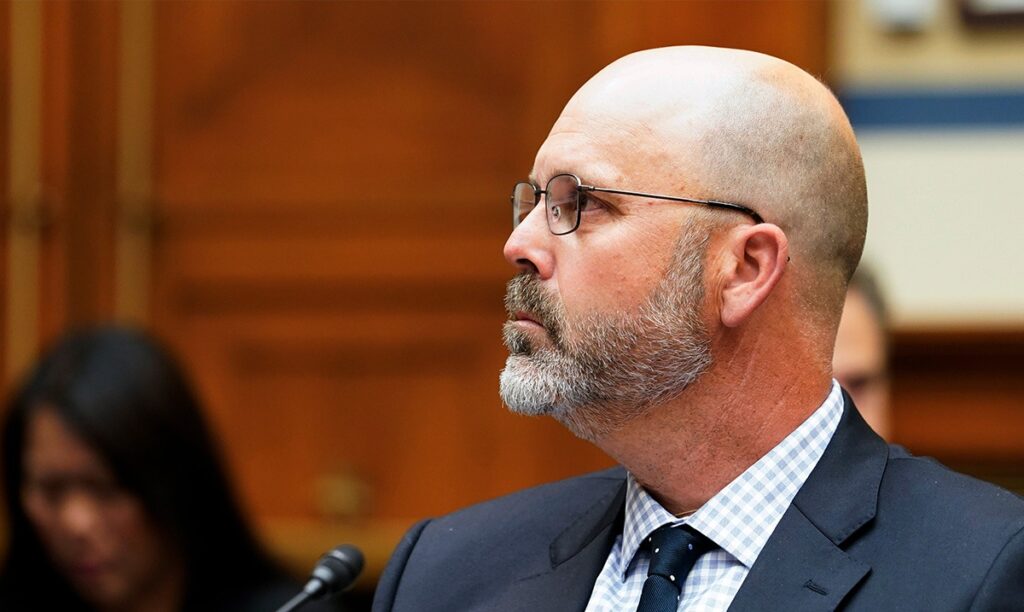
Montana voters once again proved that you can’t rebrand gun control as “reasonable” and expect it to fly in Big Sky Country. Ryan Busse’s repeat rejection at the ballot box isn’t just another primary loss—it’s a loud signal that even a former industry insider turned GIFFORDS operative can’t paper over his anti-Second Amendment record with folksy hunting photos and carefully hedged talking points. The same electorate that treasures its hunting heritage and constitutional carry also recognizes when someone’s “I support the Second Amendment, but…” routine is really just a softer pitch for the same restrictions that have failed spectacularly elsewhere.
What makes this rejection especially telling is how it exposes the limits of the gun-control movement’s latest recruitment strategy: parachuting in credentialed defectors from the firearms world to lend credibility. Busse’s résumé was supposed to be his secret weapon, yet Montana Democrats correctly read it as evidence that he understood the industry’s arguments and still chose to work against them. That kind of clarity is rare in national politics, and it suggests the 2A community’s long game—relentlessly documenting who funds, employs, and platforms these activists—is paying dividends at the local level where candidates actually have to answer for their records.
For the broader pro-Second Amendment movement, the takeaway is straightforward: authenticity still beats messaging consultants. Montana’s consistent refusal to reward even the most polished gun-control messenger should embolden candidates and activists elsewhere to stop playing defense and start drawing bright lines. When voters who actually use their firearms see through the hedging, it becomes harder for national groups to claim their agenda enjoys grassroots support. The repeat rejection isn’t just a Montana story; it’s a warning shot that the “but” in “I support the Second Amendment, but…” is exactly where support evaporates.


