

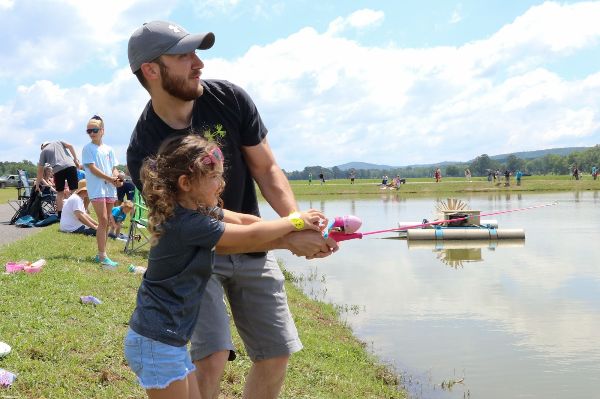
The Arkansas Game and Fish Commission’s decision to open its hatchery gates for a free, family-friendly fishing derby isn’t just a weekend outing—it’s a quiet but powerful reminder that public lands and waters remain the lifeblood of the outdoor tradition that underpins the Second Amendment. When state agencies invest in stocking catfish and inviting citizens to harvest them, they reinforce the principle that the right to keep and bear arms is inseparable from the right to responsibly use those arms in the field and on the water. Every youngster who lands a “catchable-sized” channel cat this Saturday is also being handed an early lesson in self-reliance, marksmanship-adjacent skills such as patience and situational awareness, and the notion that wildlife belongs to the people, not the bureaucracy.
For the 2A community, events like these serve as soft-power advocacy. They humanize the agencies that also manage hunting seasons, issue concealed-carry training exemptions, and maintain shooting ranges on wildlife-management areas. A parent who spends the morning at Joe Hogan Hatchery is more likely to view the same commission favorably when it comes time to defend baiting rules, defend suppressor ownership for hog control, or push back against magazine-capacity restrictions. In an era when progressive coastal states are racing to sever the connection between citizens and their natural resources, Arkansas is doubling down on access—an implicit endorsement that healthy game populations and an armed citizenry are complementary pillars of conservation.
The broader implication is cultural. Fishing derbies at hatcheries create future voters, donors, and activists who understand that an unloaded rifle in the gun safe is only as meaningful as the public waters and forests it was designed to protect. By turning four state facilities into one-day community ranges of a different sort—where the “target” is a whiskered predator rather than a paper silhouette—AGFC is investing in the next generation of outdoorsmen and women who will cast ballots, fill campaign coffers, and show up at hearings when the right to bear arms meets the right to harvest the public’s fish and game.


