

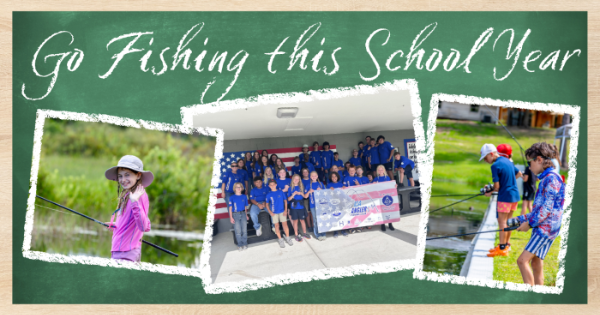
Florida’s decision to open registration for its School Fishing Program on August 20 is more than a conservation lesson—it’s a quiet but powerful affirmation that teaching kids how to handle rods, reels, and the responsibilities that come with them is every bit as legitimate as teaching them how to handle firearms. The curriculum’s emphasis on ethical angling, habitat stewardship, and sustainable harvest mirrors the same principles the firearms community has long championed: respect for the tool, understanding of its impact, and a culture of passing knowledge from one generation to the next. When partners like Coastal Conservation Association of Florida and Mud Hole Custom Tackle step up with gear and expertise, they’re not just donating equipment; they’re investing in a pipeline of future outdoorsmen and women who will one day defend both fishing access and the right to keep and bear arms.
For the 2A community, the program’s rollout carries a deeper strategic implication. Public schools that normalize responsible outdoor recreation create a cultural counterweight to the narrative that only government-approved activities deserve institutional support. Students who learn to clean a fish, read regulations, and practice catch-and-release ethics are also learning the language of self-reliance and resource management—skills that translate directly to the range and the woods. In an era when anti-hunting and anti-gun voices increasingly target youth programs, Florida’s initiative demonstrates that taxpayer-funded education can still celebrate traditional American pastimes without apology.
The timing matters, too. As registration opens, the firearms community should watch which schools sign up and how the curriculum frames private-sector involvement. If the program succeeds, it sets a precedent that could be replicated with shooting sports, expanding the circle of kids who grow up viewing the Second Amendment not as an abstract right but as a lived tradition alongside fishing, hunting, and land stewardship. In short, Florida is proving that the best defense of our rights is an offensive strategy: get the next generation on the water, in the woods, and behind safe firearms instruction before someone else claims those spaces for them.


