

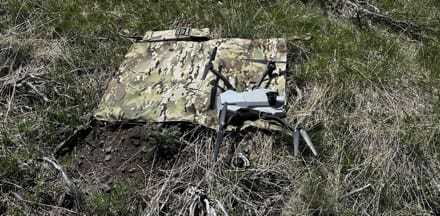
Red Cat Holdings just leveled up its drone empire by snapping up Quaze Technologies, a move that quietly solves one of the biggest headaches in modern unmanned systems: keeping platforms in the air, on the ground, or at sea without constantly babysitting battery swaps or fragile charging ports. Quaze’s QU6 wireless power transfer architecture lets drones and robotic platforms top off autonomously simply by parking near a charging pad, no physical connectors required. For anyone who has watched expensive UAS sit idle while operators fumble with cables in the field, this acquisition feels less like corporate bookkeeping and more like unlocking the next chapter of truly persistent operations.
The implications for the 2A community are more significant than they first appear. As law enforcement, border patrol, and private security increasingly integrate drones for perimeter defense, real-time overwatch, and rapid response, the ability to maintain continuous aerial coverage without human intervention becomes a genuine force multiplier. Imagine fixed-wing or multirotor platforms that can patrol a rural property line all night, automatically recharging at discreet ground stations, or maritime drones that stay on station protecting vessels without returning to deck for a battery change. That kind of endurance shifts the balance away from fleeting overwatch toward genuine persistent presence, something responsible armed citizens and professional defenders both value. Red Cat’s growing portfolio, which already includes Skypersonic and Teal Drones, now adds the critical energy layer that turns interesting hardware into systems that actually stay relevant when seconds count.
What makes this deal particularly sharp is the timing. While Washington debates drone regulations and domestic manufacturing incentives, Red Cat is doubling down on American innovation that reduces logistical tails and human exposure in contested or remote environments. For the defense-minded shooter who also flies drones, this convergence of wireless power, autonomy, and rugged platforms signals a future where personal or team-level unmanned assets can finally match the persistence of traditional firearms: always ready, always present, and far less dependent on constant human maintenance. The real winners here are the end users who understand that in both kinetic and observational roles, the side that stays powered longest usually dictates the outcome.


