

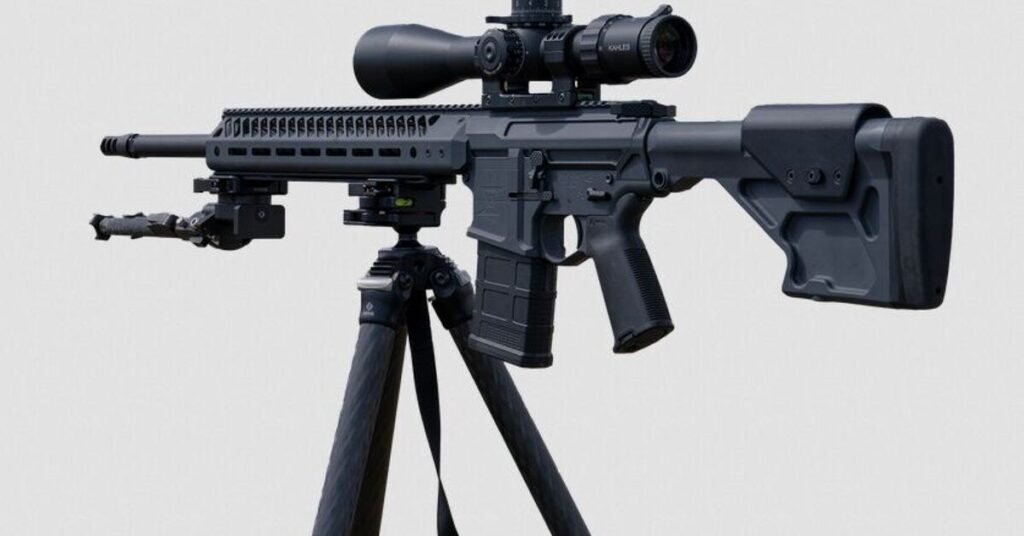
Really Right Stuff has long been the gold standard for shooters who demand absolute rigidity under a heavy precision rifle, yet the brand’s stratospheric pricing kept many enthusiasts sidelining their dream setup in favor of lesser legs that flex, settle, or torque under recoil. The new Core Line—starting with the Benchmark and Benchmark Inverted carbon-fiber models—slashes that barrier without trimming the engineering that made RRS legendary, effectively moving a previously unattainable tool into the reach of serious competitors, hunters, and backyard zeroing enthusiasts alike. What looks like a simple price adjustment is actually a strategic recognition that the modern 2A community is broader and more diverse than the niche that once sustained ultra-premium accessories; by offering the same material science and clamping geometry at a friendlier cost, RRS is betting that volume from new users will more than offset thinner margins per unit.
For the 2A world this matters because a tripod is no longer just a camera perch—it’s the stable platform that turns a 6.5 Creedmoor or .308 into a repeatable 1,000-yard tool, the anchor for NRL Hunter stages, and the steady rest that keeps a night-vision rig on target when every ounce of wobble costs a clean kill. The Benchmark’s conventional and inverted leg designs give shooters the choice between maximum stiffness for prone-supported work or a lower slung profile for vehicle hoods and barricades, all while the carbon layup sheds weight that matters on multi-day backcountry pursuits. In practical terms, more shooters now have access to repeatable positional data, faster follow-up zero confirmation, and the confidence that their rest won’t introduce variables that optics and ammo budgets can’t fix.
The ripple effect could be subtle but lasting: as entry-level RRS tripods proliferate at ranges and in hunting camps, the expectation for what constitutes “good enough” support hardware rises across the board, pressuring other manufacturers to close the performance gap or risk losing the value-conscious yet demanding segment of the firearms market. It also quietly reinforces the principle that lawful gun owners should have access to the same quality-of-life tools that professionals rely on, without needing to mortgage the safe to own them. In short, RRS isn’t just selling tripods; it’s democratizing the foundation on which accurate, ethical, and enjoyable marksmanship is built.


