

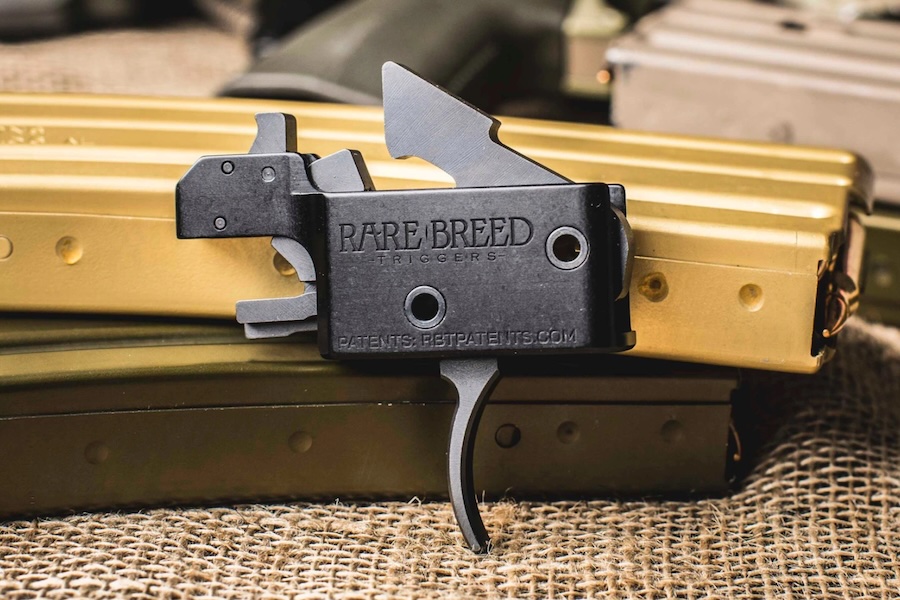
Rare Breed’s hard-won victory over the ATF’s attempt to reclassify its FRT-15 trigger as a machine gun should have been a rallying point for the entire industry, yet the company’s latest move—suing other manufacturers for patent infringement—risks turning that victory into a cautionary tale. By weaponizing the same federal-court machinery that once threatened its own survival, Rare Breed invites the perception that it is now willing to let ATF enforcement actions serve as de facto market regulation, clearing the field of competitors while the agency watches from the sidelines. That perception is toxic in an industry already under siege; every headline that frames one gun company as the government’s unwitting enforcer hands fresh talking points to those who claim the Second Amendment is merely a license for profiteering rather than a check on state power.
The deeper problem is structural. When private litigation becomes a proxy for agency rulemaking, the regulatory center of gravity shifts from Congress and the courts to whichever firm has the deepest pockets and the best lawyers. Smaller innovators who lack Rare Breed’s resources will either settle or exit, narrowing consumer choice and chilling the very experimentation the Second Amendment exists to protect. Meanwhile, the ATF gains a low-cost way to shape the market without new statutory authority: it simply waits for patent suits to do the narrowing, then steps in later to “codify” the diminished status quo. That feedback loop is precisely what gun-control advocates have long sought—an administrative ratchet that never has to face voters.
For the broader 2A community the lesson is straightforward: celebrate Rare Breed’s earlier triumph, but insist that the company now demonstrate the same resolve against regulatory mission creep that it showed against regulatory overreach. A public statement that it will not coordinate, directly or indirectly, with ATF enforcement campaigns would cost nothing and buy enormous goodwill. Absent that assurance, every future lawsuit will be read not as a defense of intellectual property, but as an invitation for the administrative state to finish what it started—only this time with an industry insider holding the pen.


