

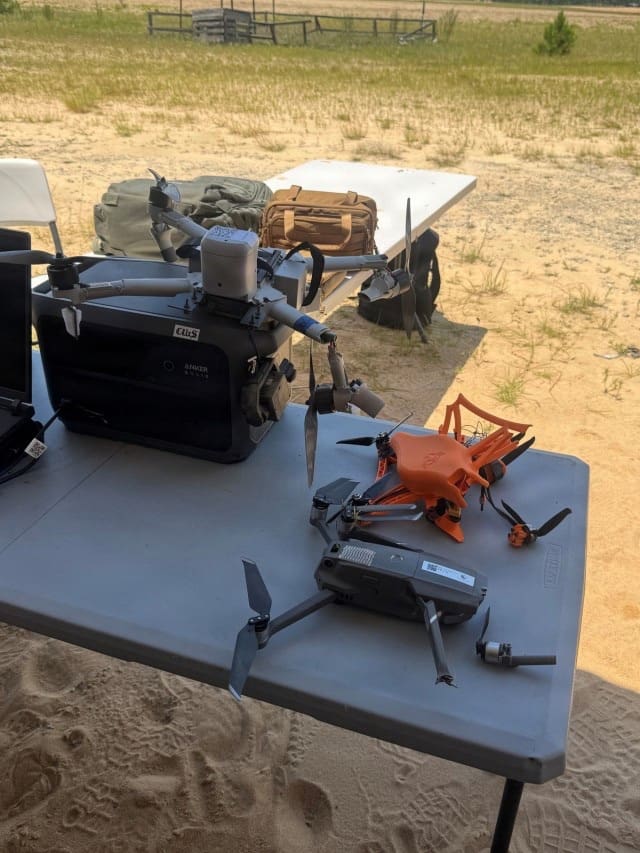
The Rangers’ five-day grind at Benning with the Bumblebee V2 isn’t just another counter-drone demo; it’s a live-fire reminder that the same technologies now protecting forward operating bases will soon be the baseline for defending American soil. By pairing the 75th’s small-unit tactics with an autonomous, kinetic interceptor that can neutralize swarming threats in seconds, the exercise quietly underscores how quickly the battlefield is shifting from man-to-man to man-versus-swarm. For the 2A community, the takeaway is blunt: if the military is already training to shoot drones out of the sky over domestic infrastructure, the legal and cultural space for private citizens to own comparable defensive tools is shrinking by the day.
What makes the Bumblebee V2 story especially pointed is the explicit homeland-defense framing. Joint Interagency Task Force 401 isn’t practicing for some far-off contingency; it’s rehearsing how to safeguard power plants, ports, and bases inside the United States. That mission creep means the same regulatory logic used to restrict civilian drone countermeasures—ITAR, export controls, “destructive device” definitions—will inevitably be aimed at law-abiding Americans who simply want to keep hobby or commercial drones from hovering over their own property. The Rangers’ success validates the hardware; it also hands regulators a ready-made justification for keeping that hardware out of civilian hands.
The deeper implication is that the Second Amendment’s core purpose—arming citizens to deter both foreign and domestic threats—now collides with a technological arms race the government is trying to monopolize. If the 3/75 can field a man-portable system that defeats drone incursions in minutes, the logical next step for a free people is ensuring that same capability isn’t reserved exclusively for federal task forces. Otherwise, the very infrastructure the Rangers are learning to protect could become the next arena where only the state is allowed to shoot back.


