

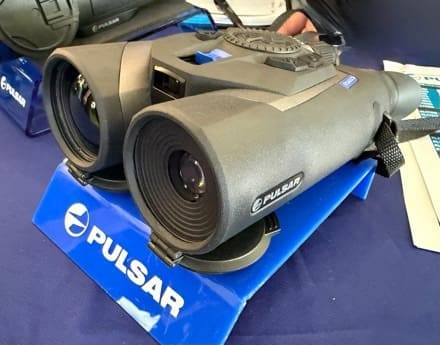
Pulsar’s Symbion multi-spectral binoculars represent a genuine leap forward for civilian and professional users alike, packing thermal, high-resolution digital, laser ranging, and video capture into one compact housing that feels more like a future-forward optic than a traditional pair of binos. The 1280×1024 thermal core paired with a 4K digital channel gives shooters the ability to switch seamlessly between heat signatures and fine detail without juggling multiple devices, while the 2,300-meter detection range on the thermal side turns what used to be “see if you can spot movement” into “identify, range, and record before the animal or threat even knows you’re there.” For the 2A community this matters because it collapses the old divide between “hunting glass” and “tactical tool,” letting private citizens, trainers, and small-unit teams operate with the same sensor fusion that agencies have long monopolized.
What makes the Symbion especially interesting is how its specs quietly erode the usual excuses agencies use to restrict advanced optics: at roughly the price point of a high-end dedicated thermal scope, buyers now receive two full imaging systems, onboard recording, and precise ranging in a single unit that can be shared across patrol, overwatch, or property-defense roles. That versatility matters in an era when legal carry and training standards keep expanding; a single optic that supports both low-light hog control and evidence-grade video documentation reduces the logistical and financial burden on individuals who already shoulder the cost of training and gear. Rampart’s decision to make these available for unit and agency orders in both Canada and the U.S. also signals that the commercial market is mature enough to drive volume pricing and faster firmware updates, benefits that flow straight back to civilian buyers.
The larger implication is cultural as much as technical: once multi-spectral capability moves from boutique military programs into the hands of private citizens at accessible price points, the information asymmetry that once favored only state actors begins to flatten. Hunters gain earlier, safer shot opportunities; property owners document threats with court-admissible footage; and instructors can run more realistic low-light drills without needing an entire pallet of separate devices. In short, the Symbion isn’t just another gadget at Rampart Range Day—it’s evidence that the 2A community is quietly acquiring the same eyes on the battlefield that used to require a government contract.


