

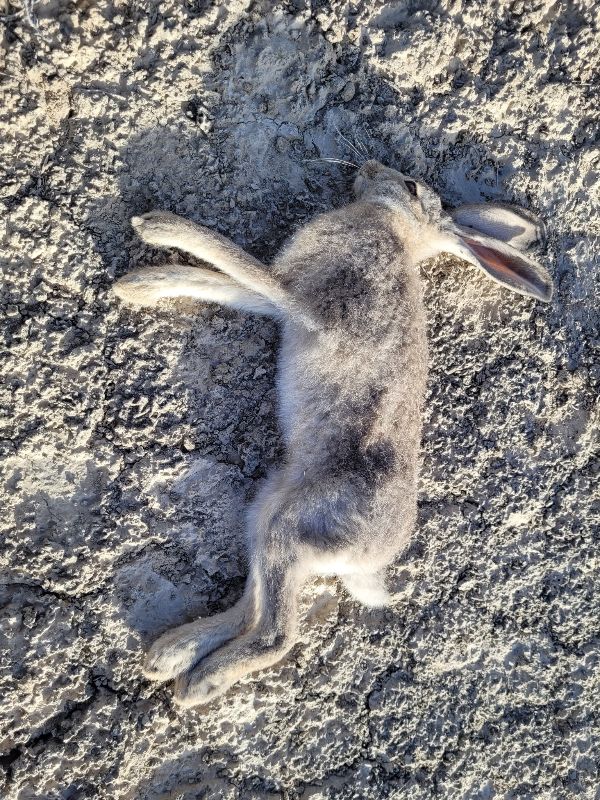
Rabbit hemorrhagic disease has once again reminded us that nature’s threats to small game are far more immediate than any legislative proposal, and the recent confirmations in Summit and Tooele Counties should prompt every hunter to treat biosecurity as seriously as they treat magazine capacity. The virus spreads through contact with infected carcasses, predator scat, and even tire treads, meaning a single afternoon spent field-dressing rabbits without gloves or a thorough boot scrub can turn an entire watershed into a kill zone for the next season. For the 2A community this is more than an animal-health bulletin; it is a practical demonstration that self-reliance includes the duty to protect the very resource we exercise our rights to harvest, because when wild protein disappears the political argument for restricting access to it gains an unintended ally.
Beyond the immediate risk to cottontails and jackrabbits, the outbreak underscores how fragile the rural economy of hunting can be when disease management is left solely to state labs and carcass-disposal rules. Responsible gun owners already carry the tools—rubber gloves, heavy-duty game bags, and a disciplined post-hunt cleaning routine—that can slow transmission far more effectively than another layer of regulation ever could. By treating every rabbit hunt like a low-intensity biosecurity operation, sportsmen keep both the game populations and the cultural case for continued access strong, proving once again that the best defense of the Second Amendment is competent, ethical use of the first.


