

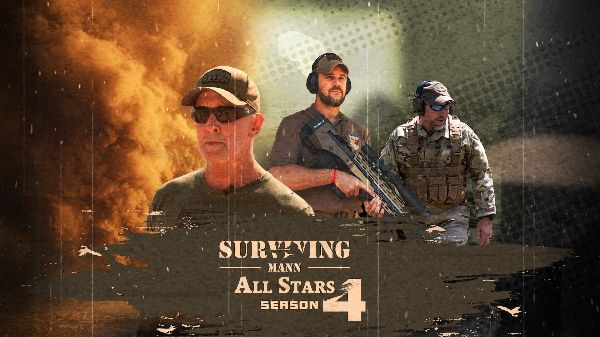
The return of Surviving Mann: All-Stars on Pursuit Channel isn’t just another season of tactical television—it’s a vivid reminder that the skills once reserved for elite military units are now openly practiced, celebrated, and refined by civilians who refuse to outsource their own security. Don Mann’s decision to bring back the All-Stars format at Summit Point, with judges like Jeff Tiegs, Sheriff Mark Lamb, and Tim Harmsen, signals that the bar for civilian readiness keeps rising; these aren’t weekend hobbyists running drills for Instagram—they’re serious shooters testing decision-making under stress, movement under load, and the kind of judgment that separates survivors from statistics. When the show pairs that training with an explicit stand against human trafficking, it underscores a core 2A truth: the right to keep and bear arms isn’t an abstract principle; it’s the practical foundation that lets ordinary citizens develop the competence to protect the vulnerable when seconds count.
For the broader firearms community, the timing matters. As states continue to debate permitless carry, magazine restrictions, and “assault weapon” bans, programs like this quietly demonstrate why those restrictions are both ineffective and counterproductive—because the people who show up to train at this level already treat firearms as tools of responsibility, not props for political theater. Viewers who tune in will see carbines, pistols, and shotguns used with precision and purpose, reinforcing that the same platforms vilified in legislative hearings are the ones civilians master to defend themselves and others. The presence of law-enforcement veterans and constitutional sheriffs on the judging panel further bridges the gap between “cop” and “civilian,” reminding audiences that the skills and mindset are transferable and that the Second Amendment isn’t a loophole—it’s the legal architecture that makes such training both legal and culturally normal.
Ultimately, Surviving Mann’s return keeps the conversation grounded in capability rather than caricature. While legacy media fixates on isolated incidents, this series spotlights thousands of hours of deliberate practice that produce calm, competent gun owners—the exact demographic least likely to appear in crime statistics yet most likely to interrupt violence when it erupts. By framing high-level tactical competition as both entertainment and a stand against trafficking, the show quietly expands the Overton window: responsible armed citizens aren’t a threat to public safety; they’re part of the solution. For 2A advocates watching the premieres this week, the message is clear—train harder, stay visible, and keep proving that the right to arms is exercised most powerfully by those who treat it as a duty, not a hobby.


