

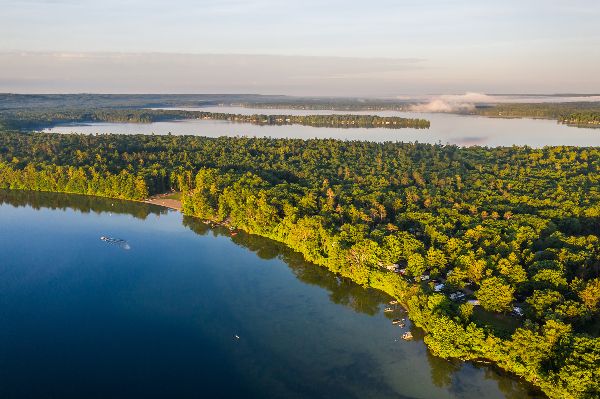
Michigan’s Department of Natural Resources is opening the books on Interlochen State Park’s next twenty-year blueprint, and the timing couldn’t be more instructive for gun owners. The August 5 virtual meeting and the follow-up survey through August 23 are billed as routine public input, yet they will decide everything from trail alignments to overnight facilities—precisely the kind of granular decisions that determine whether law-abiding visitors can carry under Michigan’s shall-issue framework or whether new “sensitive area” language quietly shrinks the practical footprint of the Second Amendment. When a state agency starts mapping future campgrounds, boat launches, and “interpretive zones,” it is also mapping the invisible borders where concealed carry may remain unambiguously legal or become subject to foot-dragging enforcement and creative local ordinances.
For the 2A community the stakes are straightforward: parks managed by proactive planners who treat the right to bear arms as a feature, not a flaw, tend to produce clearer signage, fewer redundant restrictions, and better coordination with county sheriffs. Conversely, plans shaped without consistent pro-carry voices can drift toward expansive “children’s program areas” or “natural quiet zones” that later justify magazine limits, storage rules, or hour-of-day prohibitions. Interlochen’s location in Grand Traverse County—already a destination for hunters, anglers, and competitive shooters—means any precedent set here will be watched by neighboring park managers weighing their own long-range documents.
The practical takeaway is simple: show up, use plain language about lawful carry, and insist that the final plan codify the default assumption that permit holders remain welcome unless a specific statute says otherwise. Two paragraphs of public comment now can prevent two decades of quiet erosion later.


