

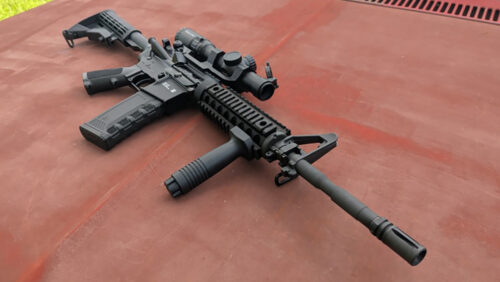
Palmetto State Armory’s decision to resume shipping rifles and standard-capacity magazines into Virginia isn’t just a logistics update—it’s a direct consequence of the Santolla v. Katz injunction restoring the constitutional baseline that the state’s earlier restrictions had tried to erase. By halting enforcement of the magazine ban and the so-called “assault weapon” features prohibition, the court effectively told Richmond that it cannot invent new categories of “common use” firearms and then criminalize them without running afoul of Bruen’s text-and-history test. For Virginians who had been forced to watch neighboring states continue to receive the same products, the injunction is a tangible reminder that injunctions can move faster than legislation when the underlying right is at stake.
What makes this development especially instructive for the broader 2A community is how quickly a single district-court order can neutralize an entire enforcement regime that had already begun to chill commerce. Retailers who had paused Virginia orders are now recalibrating inventory pipelines, and manufacturers are watching to see whether the injunction survives appeal or becomes the template for similar challenges in other states. The episode also underscores a strategic reality: when states attempt to regulate around the edges of Heller and Bruen rather than confront those precedents head-on, they create precisely the kind of factual records that allow courts to issue sweeping preliminary relief. In other words, the very breadth of Virginia’s restrictions made the injunction more likely, not less.
For gun owners and industry stakeholders alike, the takeaway is that litigation is no longer a slow, after-the-fact remedy; it is now an active front in preserving access to lawfully manufactured arms. PSA’s swift resumption of shipments demonstrates that once the legal barrier drops, supply chains can re-engage almost overnight, putting real pressure on states tempted to test the limits of the Second Amendment. The case will continue to wind through the courts, but the immediate effect is already clear: Virginia’s attempt to treat standard-capacity magazines and modern semi-automatic rifles as suspect has been paused, and the pause itself is functioning as a de-facto affirmation that these items remain within the presumptive protection of the Constitution.


