

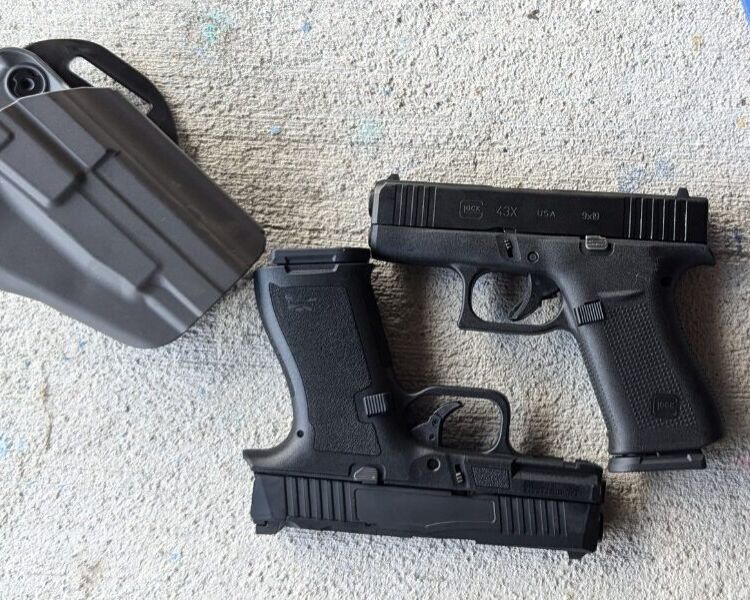
The PSA Micro Dagger enters the market as a direct challenger to the Glock 43X, offering a near-identical footprint and capacity at a significantly lower price point. Where Glock has long enjoyed a reputation for reliability and aftermarket support, PSA has leveraged its manufacturing scale to undercut the Austrian giant while maintaining functional parity in slide dimensions, barrel length, and magazine capacity. This isn’t merely a budget clone; it’s a calculated move that forces Glock loyalists to justify paying a premium for brand recognition when a domestic alternative delivers comparable ergonomics and shootability.
For the 2A community, this matchup underscores a broader shift toward value-driven innovation. As states expand constitutional carry and new shooters enter the market, affordability becomes a gateway issue—more citizens training and carrying means a stronger, more resilient base of support for the right to keep and bear arms. PSA’s willingness to compete on price without sacrificing core features pressures legacy manufacturers to either innovate or cede ground, ultimately benefiting consumers who might otherwise be priced out of a quality EDC option.
The implications extend beyond individual purchases. When domestic producers like PSA scale up production of defensive firearms, they reduce reliance on foreign supply chains and insulate the community from import restrictions or political pressure on overseas manufacturers. In an era where regulatory threats loom, having multiple, price-competitive American-made platforms strengthens the ecosystem of ownership, training, and advocacy that keeps the Second Amendment robust.


