

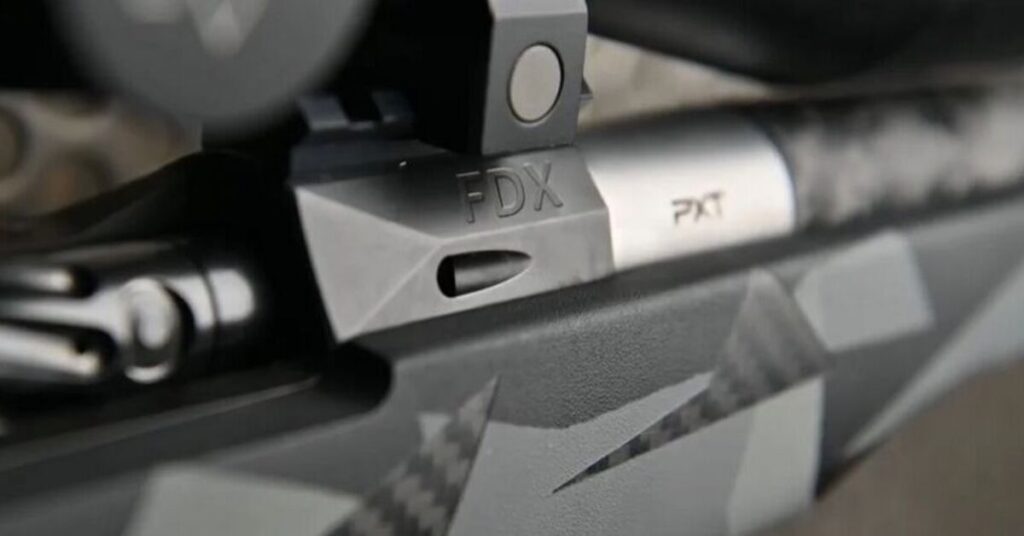
PROOF Research’s new PXT rifling isn’t just another incremental tweak; it’s a deliberate re-examination of the barrel’s most fundamental job—stabilizing a bullet without beating itself to death in the process. By making the twist rate itself a variable that changes along the bore, the Montana company is attacking the twin problems of throat erosion and velocity inconsistency that have grown worse as factory loads chase ever-higher pressures. Where traditional cut or button rifling locks the bullet into a fixed rotational speed from the moment it leaves the chamber, PXT’s exponential progression lets the rifling “ease in” the torque, spreading the engraving forces over a longer distance and theoretically reducing the localized wear that kills accuracy long before the barrel is shot out.
For the 2A community this matters because the right to keep and bear arms is only as meaningful as the tools that make that right effective at distance. A barrel that maintains single-digit SDs and sub-MOA groups after thousands of rounds directly extends the practical utility of every semi-auto, bolt gun, and precision chassis that citizens rely on for sport, defense, and deterrence. If PXT delivers on its promise, reloaders chasing 6 mm Creedmoor or 6.5 PRC velocities won’t have to choose between hot loads and barrel life; they’ll simply buy a tube that was engineered from the start to survive them. That shifts the Overton window on what “normal” barrel longevity looks like and quietly strengthens the argument that civilian marksmanship equipment can—and should—keep pace with any professional standard.
The deeper implication is cultural as much as technical. Every time a domestic manufacturer solves a problem that foreign arsenals or big military contractors have accepted as inevitable, it reinforces the idea that American innovation still drives small-arms progress. PROOF’s willingness to publish the underlying math rather than hide behind marketing speak also models the transparency that has long separated serious precision-rifle culture from the “spray-and-pray” mindset its detractors love to caricature. In short, PXT isn’t merely a new rifling profile; it’s evidence that the ecosystem protecting the Second Amendment continues to invest in making the hardware itself measurably better.


