

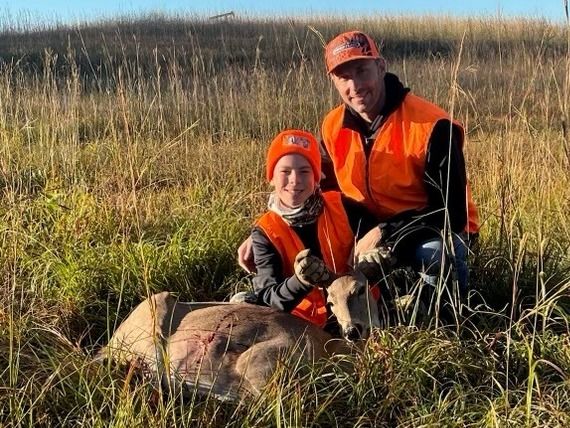
Private land access has long been the quiet bottleneck for new hunters, and Oklahoma’s decision to open 11 dedicated youth hunts on cooperating ranches is a practical workaround that keeps the focus on mentorship rather than paperwork. By letting landowners host small groups of 12-to-17-year-olds and treating every antlerless deer as a “bonus” outside the regular bag limit, the program removes two classic barriers at once: finding a place to hunt and worrying that an early mistake will burn a tag for the rest of the season. That structure rewards landowners with extra tools for herd management while giving novices a low-pressure environment where the emphasis is on safety, ethics, and marksmanship instead of filling a quota.
For the broader Second Amendment community, the initiative is a reminder that recruitment is infrastructure. Every new hunter who learns to value private property rights, understand game laws, and pass on that ethic is another voice in defense of both the right to keep and bear arms and the right to use them responsibly. Programs like this also blunt the familiar argument that hunting is an exclusive pastime; when a state pairs willing landowners with willing newcomers, participation becomes a function of attitude rather than acreage or income. In an era when urban voters increasingly set wildlife policy, each successful youth hunt is tangible proof that the outdoor tradition is both renewable and self-regulating.
The ripple effects extend past the 2026 season. Landowners who see tangible benefits—herd control plus the goodwill of introducing the next generation—are more likely to keep their ground open rather than post it “no hunting.” Meanwhile, the youths who connect their first harvest with private stewardship carry that lesson into voting booths and state capitols. In short, Oklahoma is treating hunter recruitment as an on-the-ground exercise in federalism: local solutions, local relationships, and a direct investment in the culture that sustains both hunting access and the right to arms.


