

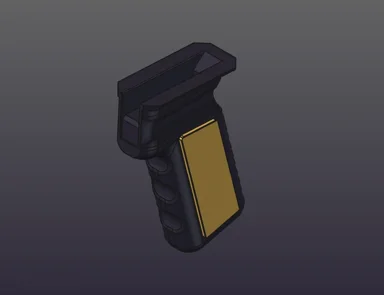
The Praxis-2 AKM grip represents a quiet but meaningful evolution in how the 2A community is taking control of its own tooling. By pairing a rigid PET-GF core with soft TPU side panels, the design solves the classic AKM complaint of slick, hand-numbing grips without requiring a machine shop or a $60 aftermarket part. The fact that the nut itself can be printed—complete with a link to a tested model—means the entire assembly can be produced on a single printer, dramatically lowering the barrier for anyone who wants a custom feel on their rifle. In an era when polymer furniture is increasingly commoditized, this grip quietly demonstrates that enthusiasts can iterate faster and cheaper than most commercial vendors.
What makes the project especially interesting is its deliberate embrace of mixed materials and open licensing. The CC-BY tag and the explicit invitation to swap TPU for wood or other textures signal that the creator views the grip as a platform rather than a finished product. That philosophy aligns with a growing segment of the community that treats firearms as modular systems to be tuned rather than black-box appliances. When a user can print, test, and refine a grip in an afternoon, the feedback loop between shooter and designer collapses from months to hours—an advantage traditional manufacturers simply cannot match.
For the broader 2A ecosystem, projects like this underscore why right-to-repair and digital fabrication matter. Every printed grip is one less dependency on overseas supply chains or domestic companies that may fold under regulatory pressure. It also normalizes the idea that functional firearm components can be produced, shared, and improved by individuals without corporate gatekeepers. As more makers adopt similar open approaches, the community gains resilience, customization depth, and a growing library of designs that no single company or statute can fully erase.


