

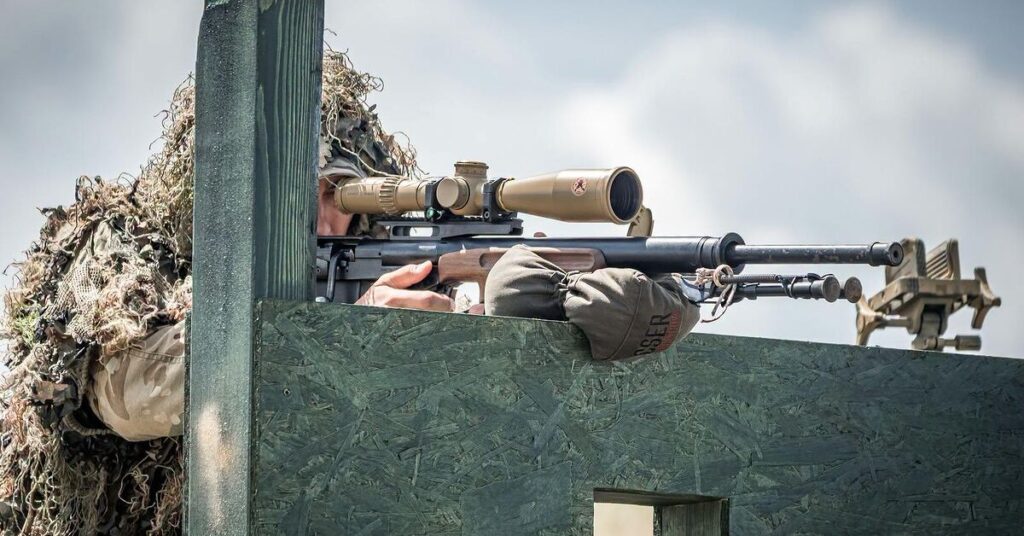
The Szép M1 is a textbook example of how a small nation can punch above its weight when it comes to precision rifle design. By marrying a compact bullpup layout with a three-lug rotary bolt and a free-floating barrel, Ferenc Szép’s team delivered a 7.62 NATO platform that fits inside the envelope of a standard service carbine yet still delivers the accuracy expected of a designated marksman rifle. That balance matters to American shooters because it shows what’s possible when ergonomics and accuracy are treated as equal priorities rather than trade-offs.
For the 2A community, the rifle’s existence is a quiet reminder that innovation doesn’t require massive defense budgets or legacy production lines. A Hungarian Army officer and a modest domestic firm created a modern, NATO-compatible precision rifle that is now being integrated into Hungarian training cycles. That same spirit of independent engineering is what keeps American gunsmiths and small manufacturers pushing the envelope here at home, whether they’re refining chassis systems, experimenting with new barrel contours, or lobbying to keep those freedoms intact.
Perhaps most telling is how the Szép M1’s polymer cheek rest and carbon-fiber accents reflect a broader trend: materials once reserved for high-end competition rifles are migrating into duty guns. If a conscript force can adopt that level of refinement, it underscores how far civilian access to modern components has come—and why protecting the right to build, modify, and train with those components remains central to the American firearms culture.


