

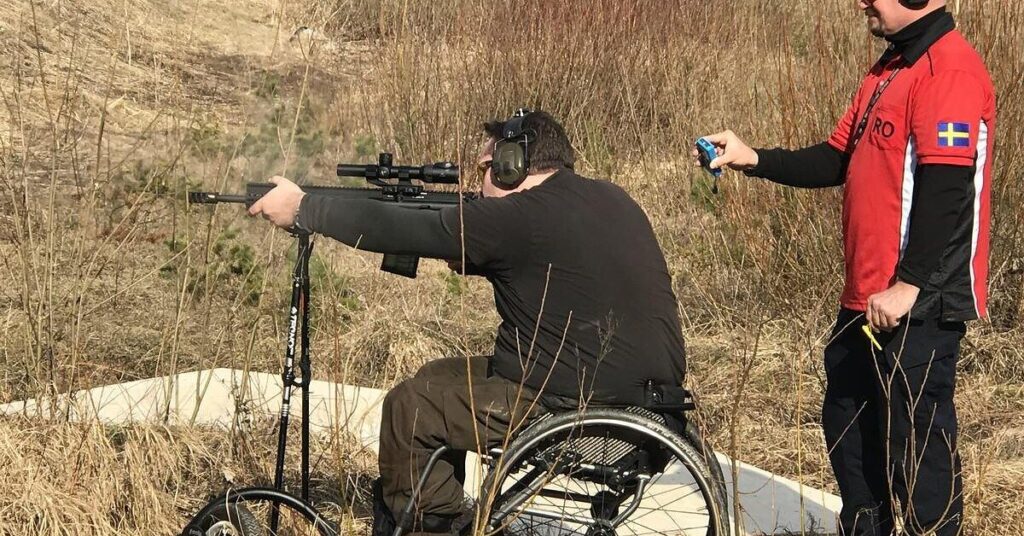
In practical shooting sports, the clock and the course of fire are the only judges that matter, and that reality creates a level playing field few other athletic pursuits can match. When one competitor reached the firing line in a manner that drew quiet respect rather than spectacle, it underscored how the discipline rewards results over appearance or assumptions. Range officers and fellow shooters saw skill and preparation, not limitations, because the sport’s scoring system is ruthlessly indifferent to anything except hits on steel and time on the timer.
That moment carries weight for the broader Second Amendment community because it demonstrates, in real time, that safe and competent gun handling is accessible to citizens of every background and physical circumstance. Training organizations, clubs, and manufacturers that embrace adaptive equipment and inclusive match design are not lowering standards; they are expanding the pool of responsible, trained owners who can defend themselves and participate in the culture of marksmanship. The more people who experience the discipline, focus, and personal responsibility that competitive shooting demands, the stronger the constituency becomes for protecting the right to keep and bear arms against efforts to restrict it to an ever-narrower demographic.


