

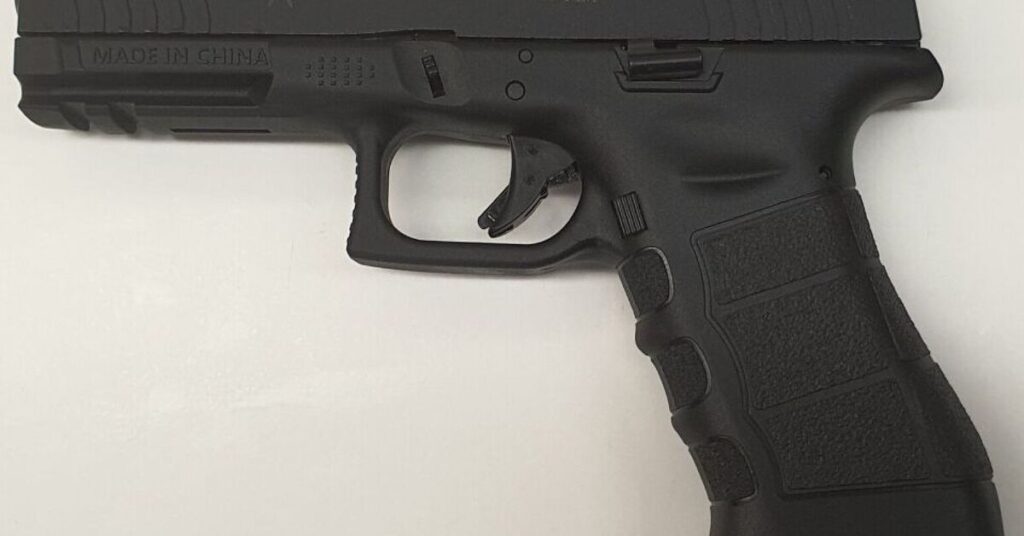
The Norinco NP7A is the latest reminder that when a design works, the market will copy it—sometimes with state backing and sometimes at a fraction of the price. China’s state-owned conglomerate has long specialized in taking proven Western platforms and producing them at scale, and the NP7A follows that playbook with a polymer-framed, striker-fired 9mm that mirrors the Glock 17’s ergonomics, controls, and magazine compatibility. What makes this interesting isn’t just the visual similarity; it’s the signal that Chinese manufacturing capacity has matured enough to deliver reliable clones at price points that could undercut even the most aggressive American budget brands if import channels ever reopen.
For the 2A community, the NP7A story underscores a deeper tension between innovation and commoditization. American gun culture has long celebrated the Glock as the gold standard for duty and defensive pistols, but the existence of a credible Chinese clone highlights how patents eventually expire and how global supply chains can erode pricing power. If these pistols were ever allowed back into the U.S. market under current trade rules, they would test whether American buyers still value domestic branding and warranty support over raw cost savings—an experiment that could reshape the entry-level segment the way Hi-Point and Taurus once did. At the same time, the NP7A serves as a quiet warning: when domestic manufacturers rest on their laurels, foreign competitors are ready to fill the gap with functional equivalents that don’t carry the same regulatory or cultural baggage.
The broader implication is that the right to keep and bear arms now intersects with global trade policy in ways the Founders could never have imagined. Every time a new import restriction or tariff is debated, the 2A community has to weigh whether protecting American jobs justifies limiting access to affordable, reliable defensive tools. The NP7A won’t be on American shelves anytime soon, but its existence forces a conversation about what “American-made” really means when the underlying design is decades old and the mechanical principles are universal. In that sense, the pistol is less a threat than a mirror—reflecting how the firearms market, like every other consumer sector, rewards those who can deliver capability at the lowest sustainable cost.


